How to Cook Basmati Rice Perfectly Every Time
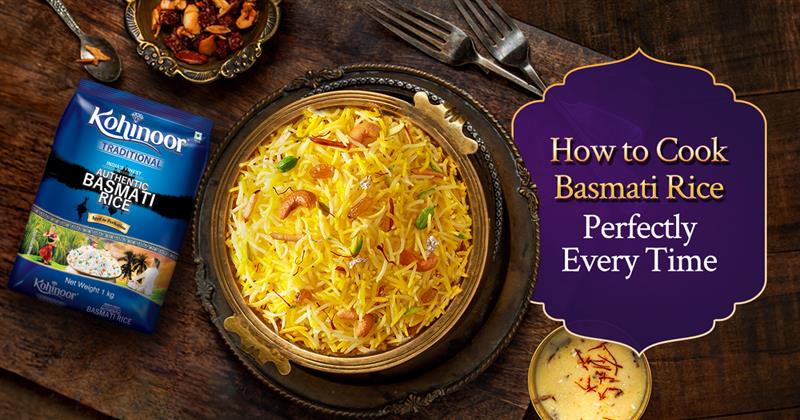
There's something magical about the aroma of freshly cooked basmati rice filling your kitchen. That delicate, nutty fragrance, the long, slender grains standing tall, and the gentle fluffiness that melts in your mouth-cooking perfect basmati rice is an art every home cook can master.
Using premium Kohinoor Basmati Rice can make all the difference, whether you're preparing a simple weekday meal or an elaborate biryani for family gatherings. Perfect rice doesn't just taste better; it elevates your dishes, making them feel special and memorable.
Yet, many home cooks struggle with sticky grains, uneven cooking, or a loss of that signature aroma, often leaving meals less than satisfying. Don't worry! Once you understand the right techniques and embrace a few simple practices, you'll be serving fluffy, aromatic rice every single time, making your meals truly unforgettable.
Cooking basmati rice well matters because it transforms ordinary meals into comforting feasts. The separate grains of rice enhance the presentation of pulao, biryani, and even everyday rice, while the subtle fragrance invites everyone to the table. Unfortunately, common mistakes such as overcooking, not rinsing, or skipping the soaking step can result in sticky rice, clumps, or a bland aroma, ultimately dampening the overall experience. Understanding these challenges is the first step toward consistently perfect rice.
Every grain of basmati has its story, and here’s what makes it cook beautifully:
Small steps taken before cooking can make a big difference in the final dish. Here are some practices that you should follow to make the best recipe:
Cooking basmati rice is about patience and gentle handling. These steps will help you create a recipe that's absolutely finger-licking!
A few slip-ups can easily ruin the texture and aroma. Here’s what to avoid:
Simple touches can turn plain rice into something special. Remember to:
Cooking perfect basmati rice is easier than it seems. Remember the key steps: rinse thoroughly, soak for the appropriate amount of time, measure water carefully, cook gently, and let the rice rest before fluffing. By following these practices and choosing premium Kohinoor Basmati Rice, you can transform everyday meals into fragrant, comforting feasts. Bring the aroma and taste of authentic Indian cooking to your home, making every meal special, effortless, and unforgettable.
Rinse, soak, measure water correctly, cook on low heat, and let the rice rest before fluffing. Adding ghee or whole spices enhances aroma.
Yes, but soaking improves grain elongation and texture. If using aged rice, it is highly recommended to soak it in water for at least 30 minutes.
No, aged rice usually needs slightly less water, as it has lower moisture content. Adjust water ratios carefully for optimal texture.
The perfect way to stay up-to-date with all the latest news and offers. By signing up, you'll receive regular updates about new product launches, exclusive promotions, and delicious recipe ideas to try at home. Our newsletter is a great way to get inspired in the kitchen. So why not sign up today and join the Kohinoor community?
We look forward to sharing our passion for rice and biryani with you!
