Types of Basmati Rice and Tips to Pick the Best
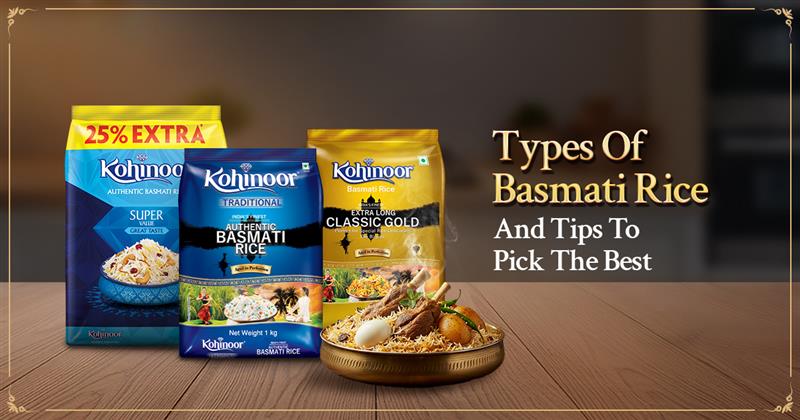
Imagine opening a packet of perfectly aged basmati rice, and instantly, your kitchen fills with that unmistakable aroma that transports you to your grandmother's kitchen. The types of basmati rice available today offer endless possibilities for creating memorable meals, but choosing the right variety can make all the difference between an ordinary dish and an extraordinary one.
Whether you're preparing a simple weeknight dinner or hosting a special celebration, understanding the various types of basmati rice helps you select the perfect grain for every occasion. From fluffy everyday rice to aromatic grains that elevate your biryanis, each variety brings its unique character to your table.
With so many basmati types available in the market, knowing what sets each apart ensures you never compromise on flavour, texture, or that signature fragrance that makes basmati truly special.
Let's explore how you can choose the perfect rice that brings warmth and authenticity to every meal you create.
Basmati rice is nature's gift with a personality all its own. The word "basmati" literally means "fragrant" in Hindi, and one whiff tells you exactly why. This aromatic wonder boasts extra-long, slender grains that can stretch up to twice their original size when cooked properly.
What makes basmati truly special is its ability to remain non-sticky and perfectly fluffy after cooking. Each grain stands apart, making it ideal for dishes where you want distinct, separate grains rather than a mushy texture. The Indian rice type has been cultivated in the foothills of the Himalayas for centuries, where the unique soil and climate conditions create its distinctive characteristics.
You'll notice a significant difference between aged and newly harvested basmati. Aged rice, typically stored for 1-2 years, develops a stronger aroma and better elongation properties. When it comes to processing, you can choose between white basmati (polished) and brown basmati (with the bran layer intact), or even parboiled varieties that retain more nutrients.
Basmati rice comes in a wide range of varieties, each offering unique characteristics to suit different culinary needs. From everyday meals to festive dishes, understanding these varieties helps you select the perfect rice for texture, aroma, and flavor.
Indrayani rice is primarily grown in the western region of Maharashtra. It has medium-sized grains that can turn sticky if overcooked, so it requires careful attention during cooking. This rice cooks quickly and releases a naturally sweet aroma, making it a fragrant and flavourful choice for traditional Indian meals.
Kolam rice features small, spongy grains with a floral aroma when cooked. It is a staple in South Indian households and is commonly used in sweet dishes, such as Pongal, as well as in everyday meals. A notable benefit of kolam rice is its low glycaemic index, making it an ideal choice for people managing diabetes or high blood sugar levels.
Mogra rice is one of the most budget-friendly options available. In their raw form, the grains appear small and resemble regular white rice. However, once cooked, they expand and become fluffy, closely resembling basmati. Mogra is perfect for making flavourful pulao or vegetarian biryani, offering a delicious taste without costing much.
This rice delivers impressive length and consistency. This is perfect biryani rice, where you need grains that can absorb flavours while maintaining their structure through slow cooking processes.
Jasmine rice is often compared to basmati for its similar taste and texture. Many people choose it as an alternative when they want a subtle flavour change. Both jasmine and basmati are highly valued for their delightful aroma. In India, with the growing popularity of Thai cuisine, jasmine rice has become the preferred choice to complement these dishes perfectly.
Brown basmati rice is a healthier alternative to traditional white basmati. Retaining its bran layer, this variety is rich in fiber, vitamins, and minerals, making it ideal for health-conscious meals. Its nutty flavor and slightly chewy texture add depth to both everyday dishes and festive recipes.
Selecting the perfect basmati requires attention to several key factors that determine quality and cooking performance.
Achieving optimal results from your chosen basmati varieties begins with proper preparation techniques.
Understanding the different types of basmati rice empowers you to create exceptional meals every time you cook. From every day's Kolam varieties to fragrant Jasmin grains, each basmati variety serves a specific purpose and brings unique characteristics to your kitchen.
Whether you're preparing a simple family dinner or an elaborate feast, selecting the right variety and following proper selection criteria ensures aromatic, fluffy, and delicious results that truly honour the spirit of authentic basmati rice.
Store your basmati rice in airtight containers in a cool, dry place away from direct sunlight. Avoid keeping it near strong-smelling items, as rice easily absorbs odours. For long-term storage, consider refrigerating or freezing the rice in sealed containers to maintain freshness and prevent pest infestation.
Aged basmati rice, typically stored for 1-2 years, develops a stronger, nuttier aroma and better elongation properties during cooking. New rice tends to be softer with less pronounced fragrance and may not achieve the same length expansion. Aged rice also tends to remain more separate and fluffier after cooking.
Kohinoor offers premium-quality basmati sourced from authentic growing regions and undergoes proper ageing processes. From everyday meals to special occasions, Kohinoor provides consistent quality, authentic aroma, and superior grain characteristics that deliver restaurant-quality results at home.
The perfect way to stay up-to-date with all the latest news and offers. By signing up, you'll receive regular updates about new product launches, exclusive promotions, and delicious recipe ideas to try at home. Our newsletter is a great way to get inspired in the kitchen. So why not sign up today and join the Kohinoor community?
We look forward to sharing our passion for rice and biryani with you!
