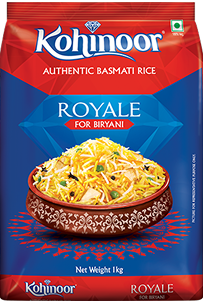
Kohinoor Feast Rozana Basmati Rice
Product Used
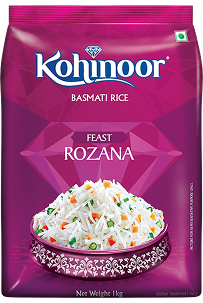
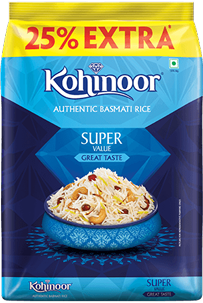
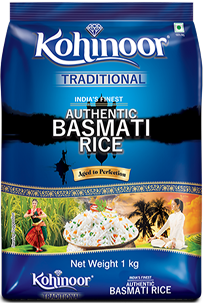
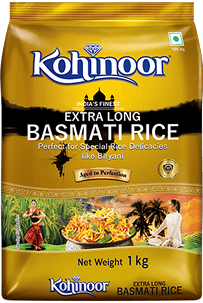
Kohinoor Feast Rozana Basmati Rice

Some recipes don't need much explaining; ghee rice is one of them. A pot of glistening rice, whole spices, fried cashews, and that unmistakable aroma of ghee- this is the dish that shows up at family lunches, festive tables, and Sunday afternoons when someone wants lunch to feel a little special without much extra effort.

This page breaks down an authentic ghee rice recipe, also known as nei choru in Tamil and Malayalam kitchens, along with what makes ghee such a natural match for rice, and which grain gives the best result. If you've been meaning to recreate the version you grew up eating, this should get you there.

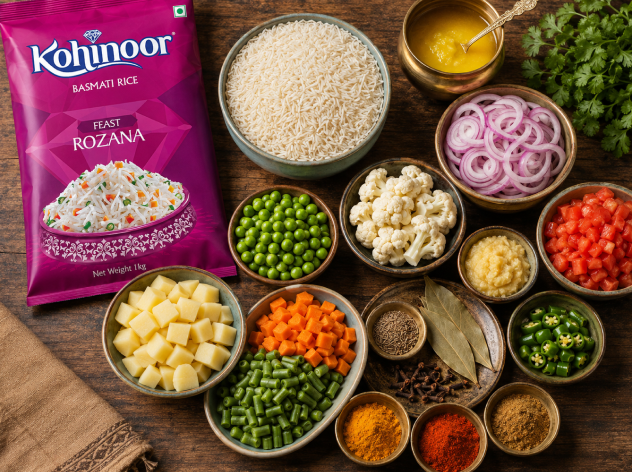
Ingredients You Need

  • 1½ cups Kohinoor Feast Rozana Basmati Rice
  • 2 potatoes, cubed
  • 1 cup mixed vegetables (cauliflower, peas, carrots, beans)
  • 1 onion, thinly sliced
  • 2 tomatoes, chopped
  • 1 tsp ginger-garlic paste
  • 2 green chillies, slit
  • 1 tsp cumin seeds
  • 1 bay leaf
  • 2-3 cloves
  • 1 tsp turmeric
  • 1 tsp red chilli powder
  • 1 tsp garam masala
  • 2 tbsp ghee or oil
  • 3 cups water
  • Salt, to taste
  • Coriander leaves, for garnish
The Best Rice Dishes for Winter & Monsoon Evenings

How to Make The Best Rice Dishes for Winter & Monsoon Evenings

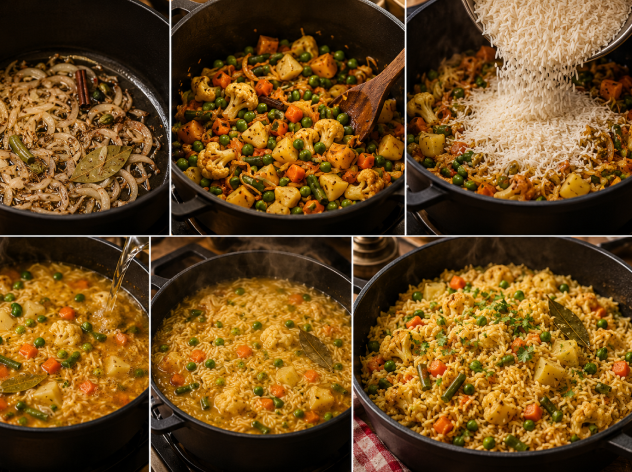
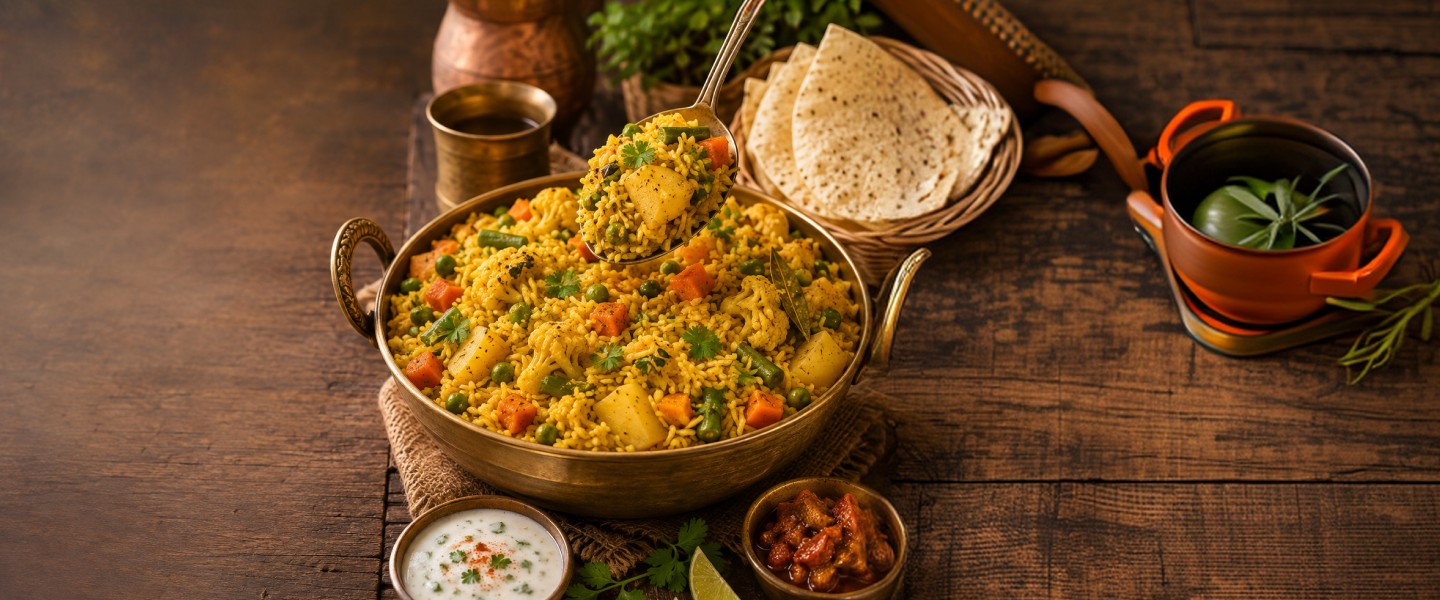
  1. Rinse the rice and set it aside to soak for about 15 minutes.
  2. Heat ghee in a heavy-bottomed pot, and temper it with cumin seeds, bay leaf, and cloves.
  3. Add the onions and sauté until soft, then stir in the ginger-garlic paste and green chillies.
  4. Toss in the tomatoes and cook until they break down into a soft, thick base.
  5. Add turmeric, chilli powder, and the potatoes and mixed vegetables, and mix everything well.
  6. Drain the soaked rice and add it to the pot along with the water and salt.
  7. Cover and cook on low heat until the rice and vegetables are tender and the water is absorbed.
  8. Sprinkle garam masala, fluff gently with a fork, and finish with coriander leaves.

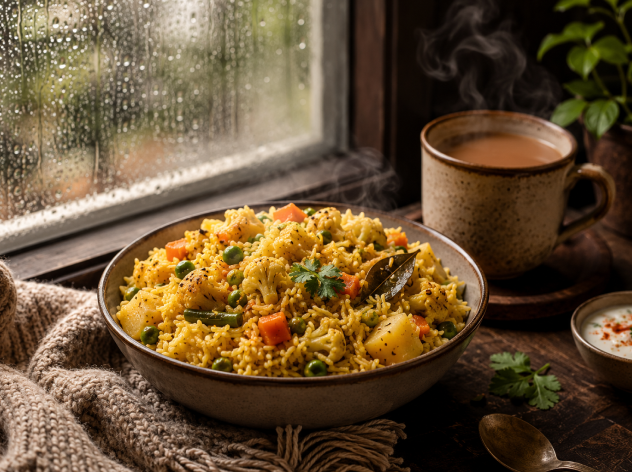
A single pot, one round of chopping, and a stove left mostly unattended this is what makes tehri one of the easiest one-pot rice meals for dinner, especially on days when cooking feels like the last thing you want to do.

Common Mistakes That Can Ruin Your Tehri

  • Unsoaked rice cooks unevenly and is more likely to break.
  • Let the vegetables cook halfway first so everything finishes together.
  • Tehri should be moist, not mushy. Stick to a 1:2 rice-to-water ratio and adjust slightly if the vegetables release extra moisture.
  • Once covered, avoid stirring as it can break the rice and make it sticky.
  • Simmer initially, then cook on low heat for evenly cooked, fluffy rice.
  • Let the tehri rest, covered, for 5 minutes before serving so the rice finishes steaming and the flavours settle.

Why Rice Is the Best Comfort Food in Cold Weather

There's a reason rice shows up so often once the temperature drops or the monsoon sets in. It's warm, it's soft, and it doesn't ask much of your appetite or your energy, both of which tend to dip in cold, damp weather. A bowl of well-cooked rice, still faintly steaming, has a way of settling you in a way that heavier, drier food often can't.

Across Indian households, monsoon rice dishes and warm comfort food for cold weather tend to overlap for good reason. Rice is gentle on digestion, easy to pair with vegetables or lentils, and forgiving enough to cook well even when you're not paying close attention to the pot. That's part of why it holds its place among comfort rice recipes in India; season after season, it doesn't try too hard, and somehow that's exactly what the weather calls for.
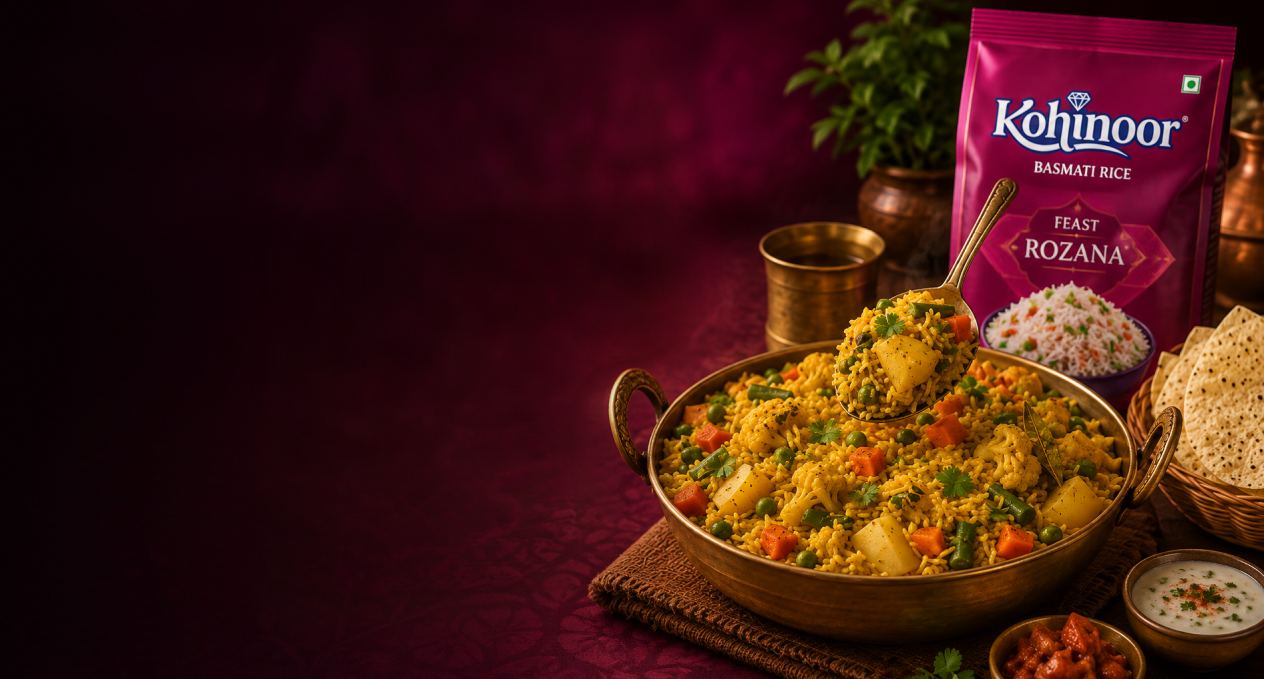
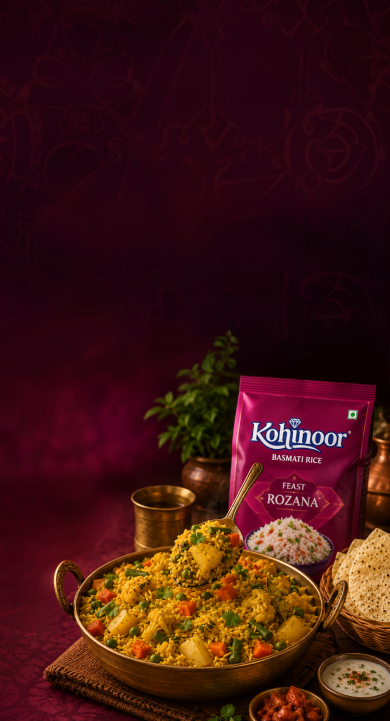
The Best Rice Dishes for Winter & Monsoon Evenings

Best Spices for Comfort Rice Dishes

The right spices are what turn a plain pot of rice into something that actually feels like comfort food. A few whole spices, cumin seeds, bay leaf, cloves, and a stick of cinnamon if you have one, build a warm, rounded base the moment they hit hot ghee or oil.

From there, turmeric brings colour and a mild earthiness, chilli powder adds gentle heat, and a light dusting of garam masala at the end ties the whole dish together. These are the same spices for comfort rice dishes that show up in a good veg pulao recipe or a simple khichdi, and they work just as well folded into a pot of tehri. Keep the quantities modest; the goal is warmth, not heat, so the rice still feels like something to sink into rather than fight through.

The Best Rice Dishes for Winter & Monsoon Evenings

Explore Our Product

Discover the Finest Range of Kohinoor Basmati Rice Products

Frequently Asked Questions

Which rice dishes are best for winter?

▲

Warm, spiced one-pot dishes like tehri, pulao, and khichdi tend to work best in winter, since they're filling, easy to digest, and simple to make with rice you likely already have at home.

Why do people eat rice in monsoon?

▼

Rice is light on the stomach and easy to cook without much effort, which suits monsoon days when appetite and energy both tend to dip. It also pairs naturally with the warm, spiced flavours people crave in damp weather.

Is rice good for cold weather?

▼

Yes. Rice is easy to digest and holds warmth well, making it a practical, comforting base for meals when the weather turns cold or wet.

What makes rice comfort food?

▼

Its soft texture, mild flavour, and ability to take on almost any spice or vegetable make rice endlessly adaptable, which is a big part of why it feels so comforting across different seasons and moods.

Which spices go best with rice?

▼

Cumin, bay leaf, cloves, turmeric, and garam masala are reliable choices, building warmth and depth without overpowering the rice. Kohinoor Basmati Rice, being non-sticky and aromatic, carries these spices well without turning heavy.

CLOSE

ENQUIRE FORM