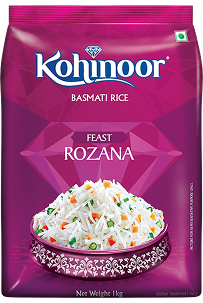
Kohinoor Traditional Authentic Basmati Rice
Product Used
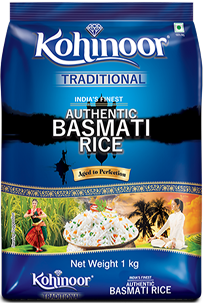
Kohinoor Traditional Authentic Basmati Rice

Bisi bele bath is a much-loved one-pot meal from Karnataka — its name literally means "hot lentil rice." Rich, tangy, and gently spiced, it brings together rice, lentils, vegetables, tamarind, and a fragrant homemade masala into a single comforting bowl. It is hearty enough to be a full meal on its own.

This guide explains how to make an authentic bisi bele bath, step by step — here with fragrant basmati rice for a lighter, aromatic twist. It covers how to cook the rice and dal, prepare the vegetables and masala, balance the tamarind and jaggery, and finish with a ghee tempering. Follow each step for a rich, restaurant-style result at home.

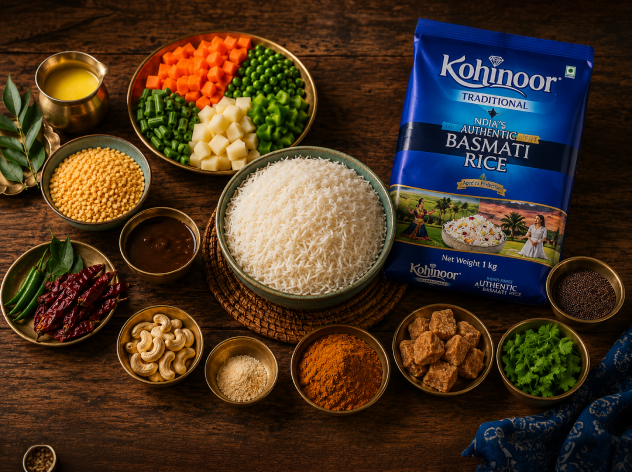
Ingredients You Need

Bisi bele bath layers many flavours, so each ingredient plays its part in the rich, tangy, spiced result.

  • 1 cup basmati rice (Kohinoor Traditional Basmati Rice works well)
  • ½ cup toor dal (split pigeon peas)
  • 2–3 tbsp bisi bele bath masala powder
  • 1 small lime-sized ball of tamarind (soaked)
  • 1 tsp jaggery (to balance the tang)
  • 1.5 cups mixed vegetables (carrot, beans, peas, potato, capsicum)
  • ½ tsp turmeric powder
  • Salt as required
  • For tempering: 3 tbsp ghee, 1 tsp mustard seeds, a few curry leaves
  • 2 tbsp cashews, 1 dry red chilli, a pinch of hing
  • Fresh coriander, to garnish
Bisi Bele Bath
Bisi Bele Bath

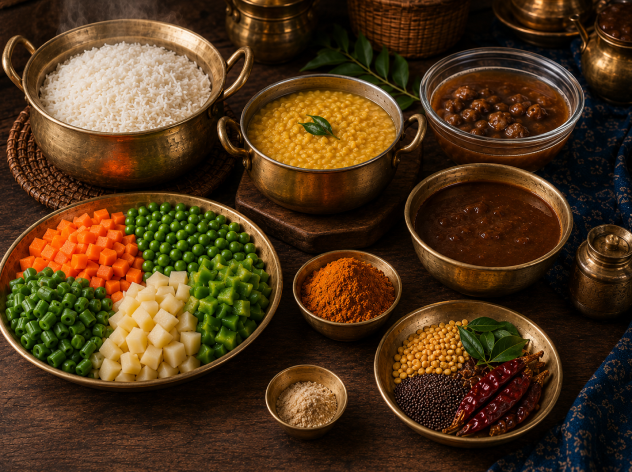
How to Prepare the Rice, Dal and Masala

The base decides the texture and flavour of your bisi bele bath. A little care here makes it rich and balanced.

  • Rinse the rice and toor dal, then cook them soft — softer than for a pulav.
  • Soak the tamarind in warm water and extract a smooth, thick pulp.
  • Cook the harder vegetables first so everything finishes tender together.
  • Balance the masala, tamarind, and jaggery — tangy, spiced, and slightly sweet.
  • Keep extra hot water ready, as the bath thickens quickly as it sits.

Bisi bele bath is all about bringing elements together into one harmonious pot. As the cooked rice and dal mingle with the vegetables, tamarind, and masala, they soften further and soak up the flavours. The aim is a soft, thick, slightly flowing consistency — never dry, never watery.

Because basmati is lighter and fluffier than the sona masoori traditionally used, cook it a touch softer and add a little extra water so it blends easily. Keep the heat gentle once everything is combined, stir often, and loosen with hot water whenever it thickens too much.

Common Mistakes to Avoid

Under-cooking rice or dal    Too little tamarind    Skipping the jaggery    Letting it dry out

A soft, well-balanced base of rice, dal, masala, and tamarind is what makes a true bisi bele bath rich and comforting.
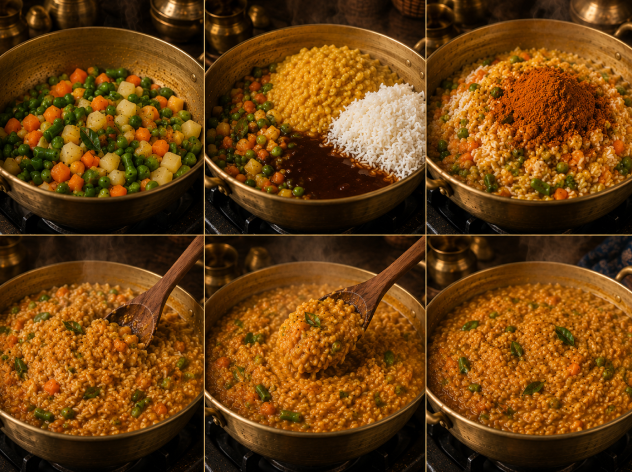
Cooking the Bisi Bele Bath — Step by Step

A soft texture and a balanced, tangy masala are what make this dish special. Follow the order carefully.

  • Cook the rice and toor dal together until soft, then lightly mash.
  • Boil the mixed vegetables with turmeric and salt until just tender.
  • Add the tamarind pulp, bisi bele bath masala, and jaggery; simmer to blend.
  • Stir in the cooked rice and dal, adding hot water for a soft, flowing texture.
  • Simmer gently so all the flavours come together into one rich pot.

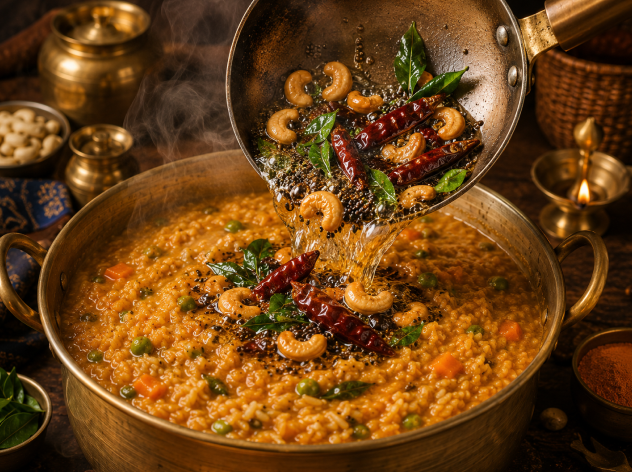
For the final touch, heat ghee and temper mustard seeds, curry leaves, cashews, dry red chilli, and a pinch of hing, then pour it sizzling over the bath. This fragrant tempering is the soul of the dish. Remember that bisi bele bath thickens as it cools, so keep it slightly looser than you want and loosen with hot water before serving.

Bisi Bele Bath
Bisi Bele Bath

The Tempering and Finishing

A good ghee tempering turns a simple pot of rice and dal into the rich, aromatic bisi bele bath everyone loves.

  • Heat ghee until hot, then fry the cashews until golden and set aside.
  • In the same ghee, splutter mustard seeds, curry leaves, red chilli, and hing.
  • Pour the sizzling tempering and cashews over the hot bath.
  • Finish with fresh coriander and an extra spoon of ghee on top.

You can tell bisi bele bath is ready by its soft, flowing texture and the warm aroma of ghee, curry leaves, and masala. Do not let it sit too long on the heat, as it dries out and turns stodgy. Serve it fresh and hot, while it is still soft and rich. This fragrant, ghee-laden finish is what makes bisi bele bath so deeply satisfying.

Serving and Common Mistakes to Avoid

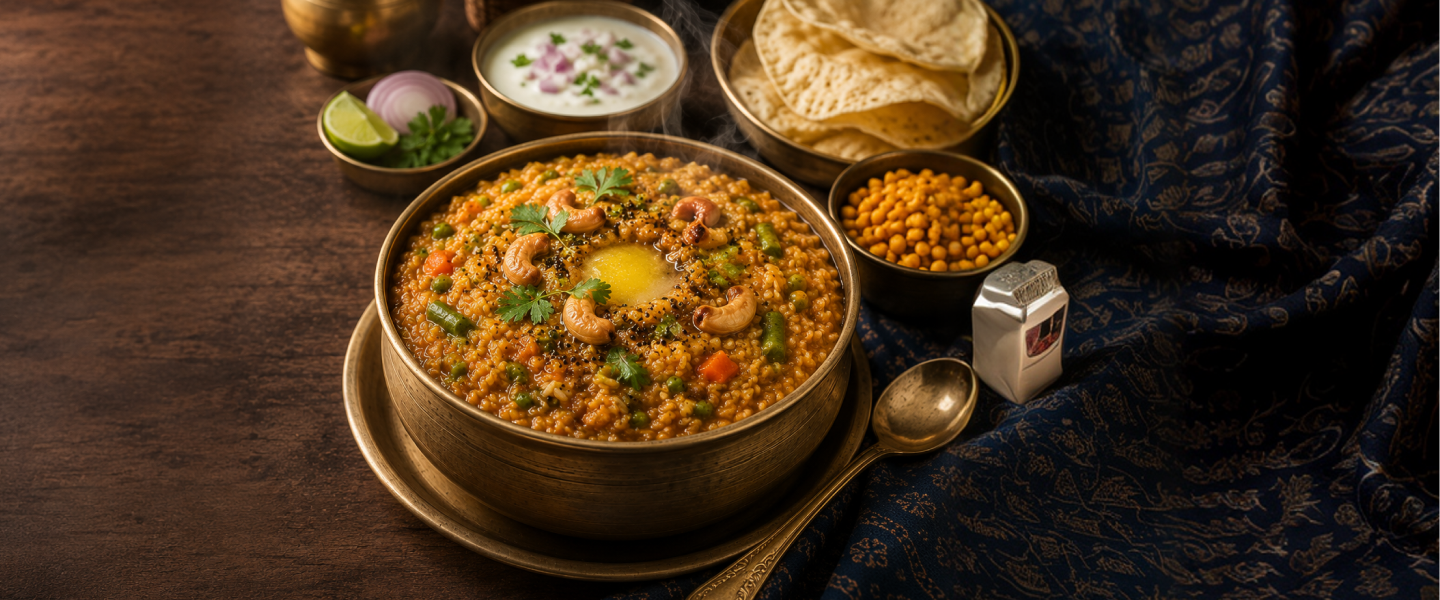
Serve bisi bele bath piping hot with a spoon of ghee, a handful of crunchy boondi, papad, and a cooling raita — the classic Karnataka combination. Add hot water to loosen it if it thickens while resting. Keep it soft, tangy, and fresh, and every spoonful will carry the rich, comforting warmth this dish is known for.

Bisi Bele Bath

Explore Our Product

Discover the Finest Range of Kohinoor Basmati Rice Products

Frequently Asked Questions

What makes Kohinoor basmati rice different from other rice varieties?

Kohinoor Basmati stands out with its slender grains that elongate when cooked, plus a natural aroma and light, non-sticky texture that give dishes a refined look and flavour.

Can I use basmati instead of sona masoori?

Yes. Kohinoor Basmati is lighter and fluffier, so cook it a little softer and add a touch more water so it blends easily into the soft, flowing texture of bisi bele bath.

Why is my bisi bele bath dry or stodgy?

It thickens quickly as it sits. Keep it slightly looser than you want on the stove and loosen with hot water before serving.

Is basmati rice healthy for everyday meals?

Yes. Kohinoor Basmati is low in fat, gluten-free, and provides complex carbohydrates, and its non-sticky nature also helps with portion control as part of a balanced meal.

What is the classic accompaniment?

Crunchy boondi, papad, and a cooling raita, with an extra spoon of ghee on top, is the traditional Karnataka way to serve it.

CLOSE

ENQUIRE FORM