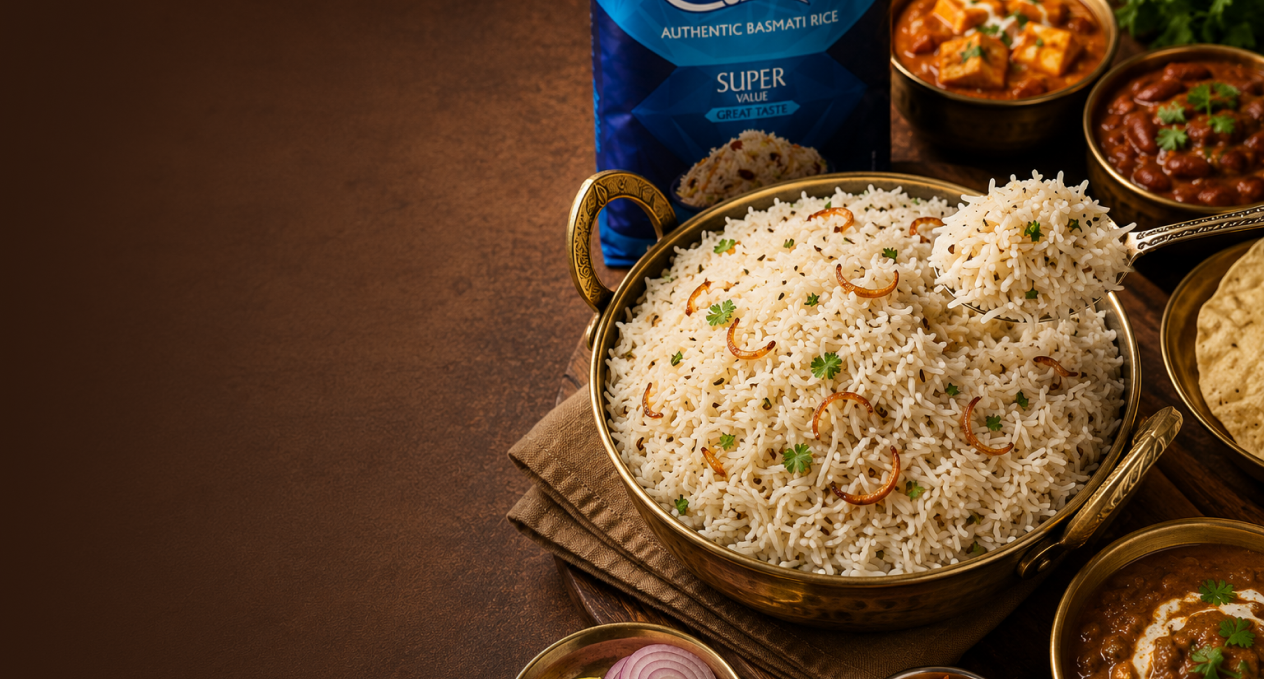
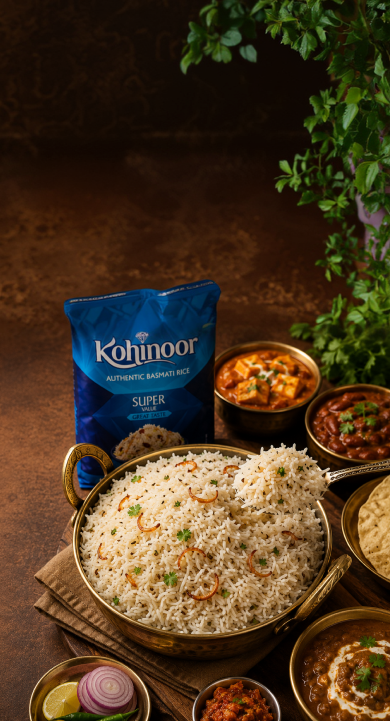
Kohinoor Traditional Authentic Basmati Rice
Product Used
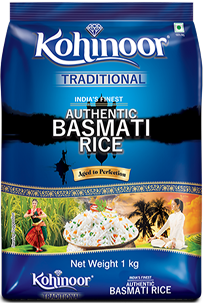
Kohinoor Traditional Authentic Basmati Rice

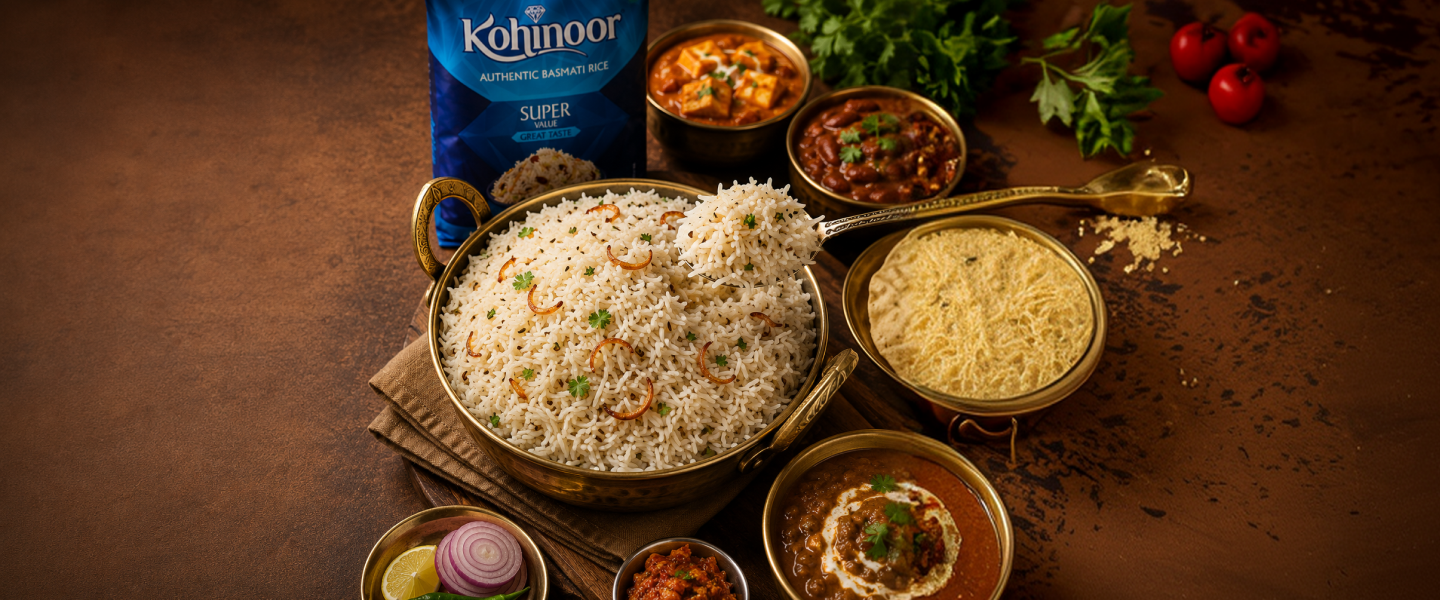
Jeera rice is the quiet hero of Indian cooking, a simple, fragrant rice tempered with cumin (jeera) and a few whole spices that turns an everyday meal into something special. It is the dish restaurants serve alongside rich dal makhani or paneer curries. Light, aromatic, and endlessly versatile, it pairs with almost anything. A great jeera rice has long, separate, fluffy grains, each one glossed with ghee and carrying the warm, nutty aroma of toasted cumin.

This guide explains the full jeera rice recipe in a descriptive, step-by-step way. It covers how to choose and prepare the rice, bloom the cumin and whole spices properly, get the water ratio right, and cook to soft, separate grains. Follow each step, and you can make light, restaurant-style jeera rice at home every single time.

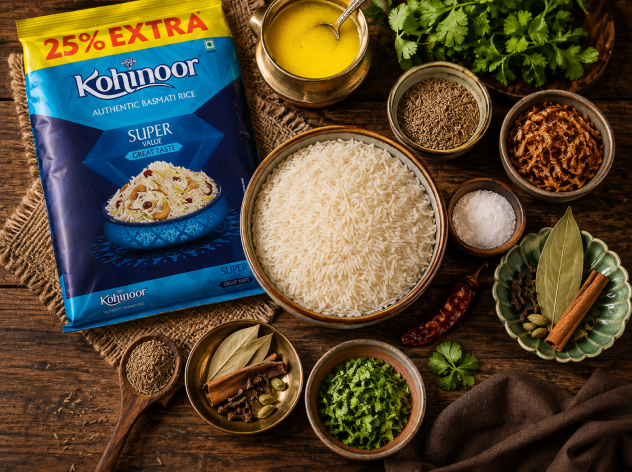
Ingredients You Need

Jeera rice keeps its ingredient list short and simple, so the quality of the rice and the freshness of the cumin really matter.

  • 1.5 cups basmati rice (Kohinoor Authentic Basmati Rice)
  • 1.5 tsp cumin seeds (jeera)
  • 2 tbsp ghee (or a mix of ghee and oil)
  • Whole spices (1 bay leaf, 2 cloves, 1 small cinnamon stick, 2 green cardamom)
  • 1 dry red chilli (optional)
  • 3 cups water (1:2 rice-to-water ratio)
  • Salt as required
  • Fresh coriander, to garnish
  • A few thin onion slices, fried (optional garnish)
Jeera Rice
Jeera Rice

How to Prepare the Rice

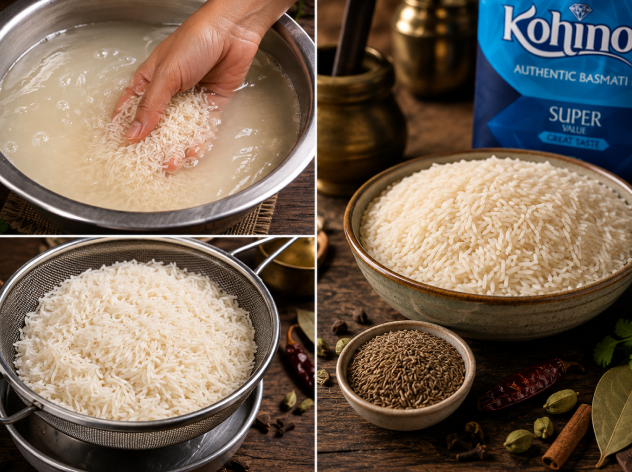
The rice decides everything in jeera rice. A little care here keeps the grains long, soft, and separate.

  • Wash until the water runs clear: Rinsing the basmati two or three times removes surface starch, which is the main cause of sticky, clumping rice.
  • Soak for 20 to 30 minutes: Soaking lets the grains absorb water gently so they lengthen and cook evenly into long, fluffy grains.
  • Drain the rice well: Excess water throws off the ratio and makes the rice soggy, so drain it thoroughly before cooking.
  • Keep the water ratio right: About 1:2 rice to water gives soft, separate grains cooked by absorption.
  • Use fresh, whole cumin: Fresh jeera seeds bloom into a rich aroma; stale or powdered cumin leaves the rice tasting flat.

Common Mistakes to Avoid

  • Skipping the soak
  • Too much water
  • Burning the cumin
  • Over-stirring the rice

Well-soaked rice, the right water ratio, and properly bloomed cumin are what make a true jeera rice light, fluffy, and fragrant. A good trick is to toast the drained rice briefly in the cumin-scented ghee before adding water; it coats every grain in fat and flavour and helps keep them separate as they steam.

Cooking the Jeera Rice — Step by Step

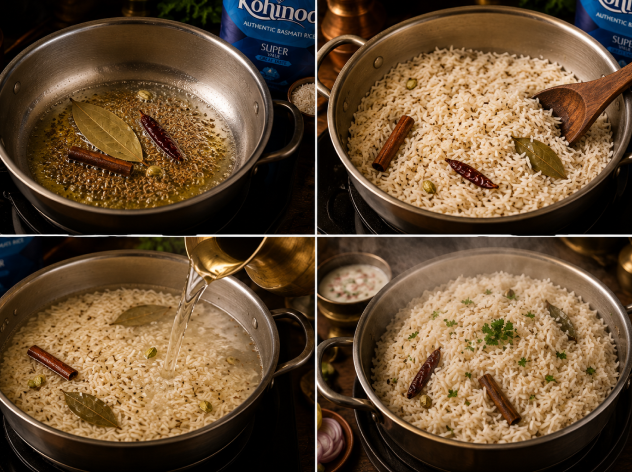
A well-bloomed tempering and the right ratio give jeera rice its fluffy finish. Follow the order carefully.

  1. Bloom the cumin: Heat the ghee, add the cumin seeds and whole spices, and let them sizzle until fragrant.
  2. Toast the rice: Add the drained rice and toss gently for a minute to coat every grain in the spiced ghee.
  3. Add water and salt: Pour in the measured water, add salt, and stir once to settle the grains evenly.
  4. Bring to a boil: Let it come to a rolling boil until most of the surface water is absorbed.
  5. Steam on low: Cover and cook on the lowest heat until the water is fully absorbed and the rice is just done.

Once the water is absorbed, turn off the heat and let the rice rest, covered, for 5 to 10 minutes. This steams the grains tender and lets them firm up so they do not break. Fluff gently with a fork, never a spoon, to keep the long grains intact.

Jeera Rice
Jeera Rice

Finishing and Garnishing

A gentle finish keeps the rice fluffy and brings out its warm, cumin-scented character.

  • Let the covered pot stand so the steam settles and the grains firm up.
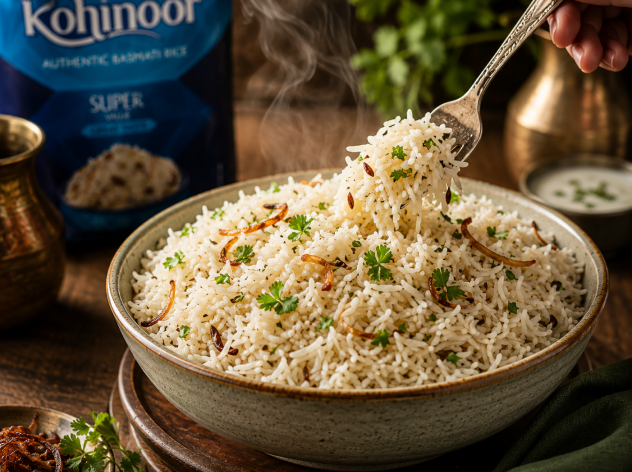
  • Lift gently with a fork from the top to keep the long grains whole and separate.
  • Scatter chopped coriander over the top for colour and a fresh, herby lift.
  • A few fried onion slices and a drizzle of ghee make it look and smell restaurant-style.

You will know jeera rice is ready by its look and scent, long, separate grains glossed with ghee and carrying the warm, nutty aroma of toasted cumin. Do not stir it hard at this stage, as it makes the rice mushy. Let it rest a few minutes so the flavours settle into the grains. This gentle finish is what makes jeera rice so light and inviting.

Serving and Common Mistakes to Avoid

Serve jeera rice hot with dal makhani, paneer butter masala, rajma, or any rich curry for a complete meal. Light, fragrant, and quick, jeera rice is the everyday rice dish that elevates any plate.

The faults that spoil jeera rice are sticky grains from skipping the soak, soggy rice from too much water, and a flat taste from burnt or stale cumin. Soak the Kohinoor Basmati, measure the water, and bloom fresh cumin gently, for light, aromatic, restaurant-style rice.

Jeera Rice

Explore Our Product

Discover the Finest Range of Kohinoor Basmati Rice Products

Frequently Asked Questions

Which rice is best for jeera rice?

A long, aromatic grain like Kohinoor Authentic Basmati Rice is ideal, as it stays long, separate, and fluffy, giving jeera rice its signature light, non-sticky texture.

Why is my jeera rice sticky or mushy?

The usual causes are skipping the soak, using too much water, or over-stirring. Wash and soak the Kohinoor Basmati, keep the water ratio at about 1:2, drain well, and fluff with a fork rather than a spoon.

Should I use cumin seeds or cumin powder?

Always use whole cumin seeds. Blooming them in hot ghee releases a deep, nutty aroma that powder cannot match, and it is this tempering that defines jeera rice.

Can I make jeera rice in a pressure cooker?

Yes. Bloom the cumin, toast the rice, then add slightly less water (about 1:1.5) and cook for two whistles. Let the pressure release naturally for perfectly separate grains.

Can I use leftover rice to make jeera rice?

Yes. Cooled, day-old Kohinoor Basmati works well, as the grains stay separate. Bloom the cumin and whole spices in ghee, then toss the cold rice through until heated and fragrant.

CLOSE

ENQUIRE FORM