Royale Pulao Basmati Rice
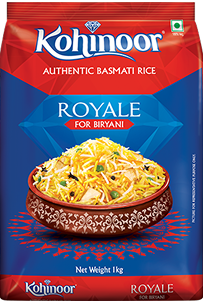
Product Used
Royale Pulao Basmati Rice

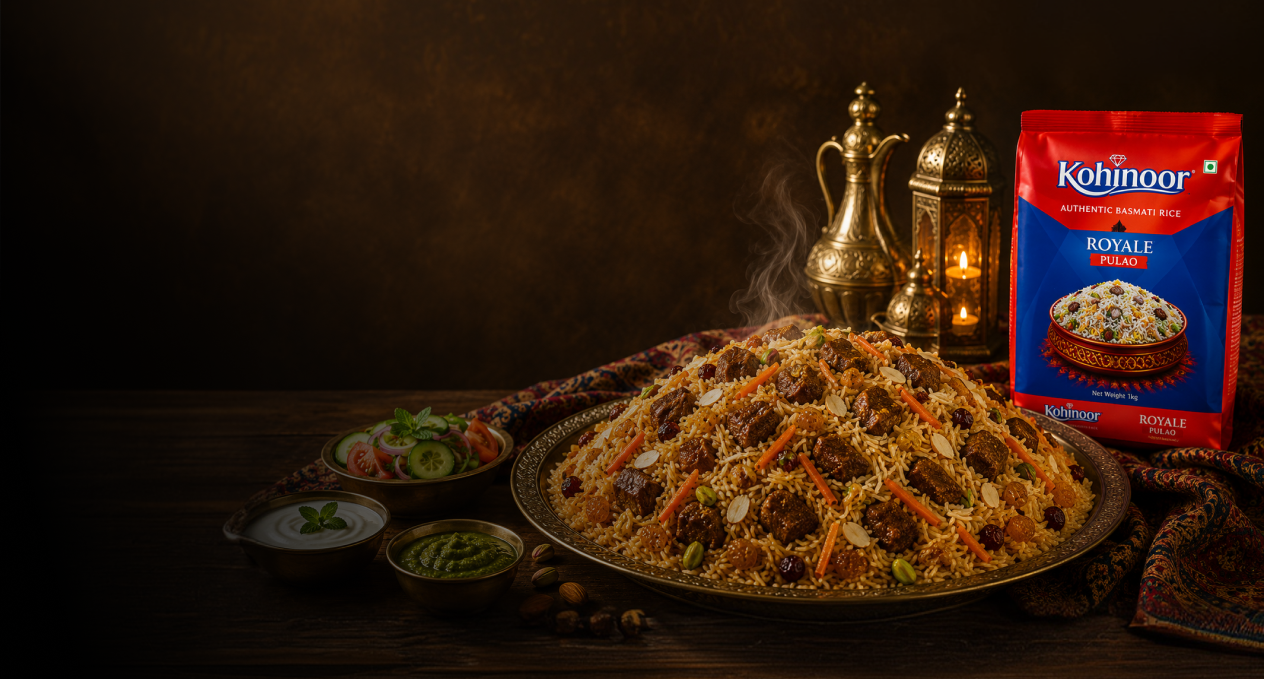
Kabuli pulao, also called Qabili Palaw, is the national dish of Afghanistan and one of the most striking rice dishes in the world. Long grains of basmati are cooked in a deeply caramelised meat stock until they turn a rich brown, then crowned with a glistening tangle of sweet glazed carrots, plump raisins, and toasted nuts. It is a study in balance—savoury and sweet, tender and crunchy, all on one platter.

For all its beauty, kabuli pulao asks for care in two key areas. The colour and depth of the rice come entirely from properly caramelising the onions and sugar; without this step, the dish stays pale and flat. The carrots and raisins must also be glazed separately, otherwise they become soft and lose the bright sweetness that makes this pulao so special.

This guide walks you through every stage in detail: building a dark, fragrant caramel base, cooking the meat until tender, par-boiling and steaming the rice so it stays separate, and preparing the jewelled topping. Follow these techniques, and you can serve an authentic kabuli pulao that looks as remarkable as it tastes.

Ingredients You Need

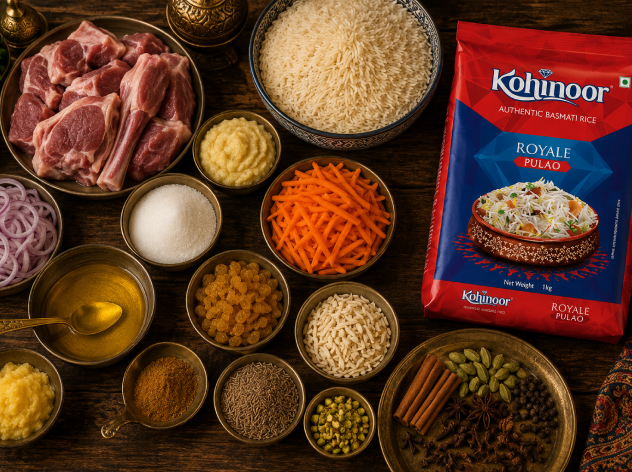
Kabuli pulao balances savoury meat and rice against a sweet, jewelled topping. Each part needs its own ingredients.

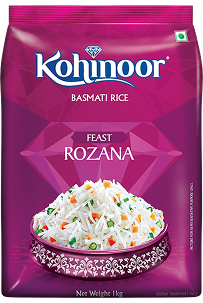
  • 3 cups long grain basmati rice (Kohinoor Royale Pulao Basmati Rice works well)
  • 700 g lamb or mutton (bone-in pieces)
  • 2 large onions (thinly sliced)
  • 1 tbsp sugar (for the caramel that colours the rice)
  • 1 tbsp ginger-garlic paste
  • 2 tsp char masala (or garam masala)
  • 1 tsp cumin
  • Whole spices (cardamom, cloves, cinnamon, black pepper)
  • For the topping: 2 large carrots (julienned)
  • ½ cup raisins
  • ½ cup slivered almonds & pistachios
  • 2 tbsp sugar (for glazing the carrots)
  • 4 tbsp ghee or oil
  • Salt as required

Tip: The rich brown colour of true kabuli pulao comes from caramelised sugar and deeply browned onions, not from food colouring. Take the caramel further than feels comfortable—just short of burning—for an authentic hue.
Kabuli Pulao
Kabuli Pulao

The Caramel Base and the Jewelled Topping

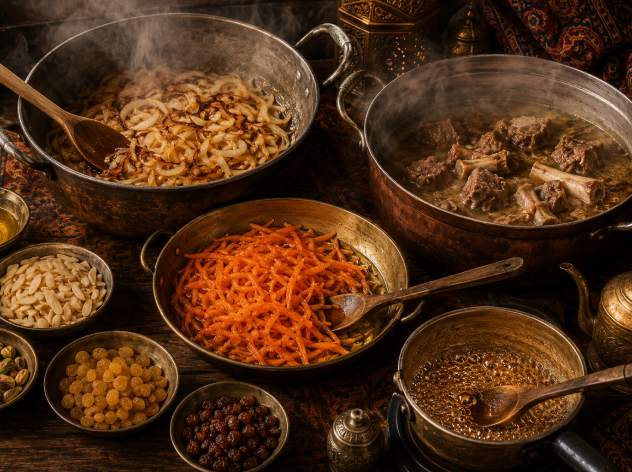
Two things define kabuli pulao: the dark caramel that colours the rice, and the sweet carrot-and-raisin garnish. Prepare them with care.

  • Caramelise with confidence: Brown the onions slowly, then add the sugar and let it darken to a deep amber. This gives the rice its signature colour and a subtle sweetness.
  • Make a rich stock: Cook the lamb in this caramel base with the spices until tender, then strain and reserve the flavoured liquid for cooking the rice.
  • Glaze the carrots separately: Sauté the julienned carrots in ghee with a little sugar until just tender and glossy, keeping a slight bite.
  • Plump the raisins: Add the raisins to the carrots for a moment until they swell. Do not let them cook until mushy.
  • Toast the nuts: Lightly toast the almonds and pistachios so they remain crunchy against the soft rice.

Common Mistakes to Avoid

  • Pale, under-caramelised onions
  • Overcooked, soggy carrots
  • Using food colouring instead of caramel
  • Sticky, clumped rice

A deep, properly caramelised base and a crisp, sweet topping are what make a true kabuli pulao unforgettable.

Kabuli pulao uses a two-stage method for the rice-par-boil, then steam-which is the secret to long, separate grains. Wash the basmati thoroughly and soak it for 30 minutes. Boil it in plenty of salted water until just over half cooked, so the grains bend but still have a firm core, then drain them. This first stage cooks the outside while leaving room for the flavour to soak in during steaming.

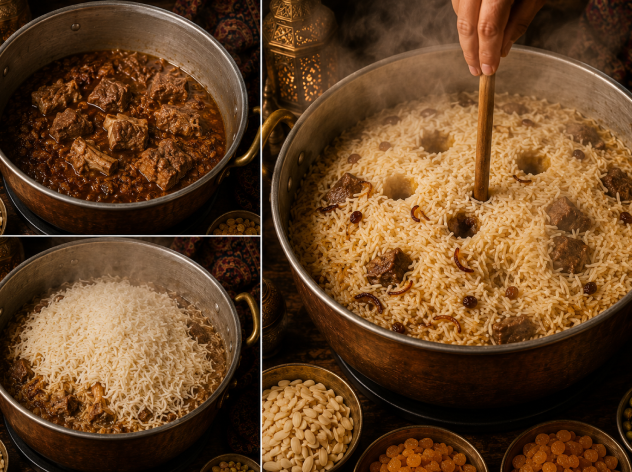
The second stage is where the magic happens. Layer the drained rice over the meat and stock, then steam it gently so each grain absorbs the dark, sweet caramel flavour from below. A classic trick is to make a few holes through the rice with the handle of a spoon before steaming. This allows the steam to rise evenly and cooks the grains uniformly without stirring.

Cooking the Pulao — Step by Step

With the base, meat, and topping ready, the rice is built in stages for that signature colour and texture.

  1. Par-boil the rice: Cook the soaked rice in salted water until just over half done, then drain it well.
  2. Layer over the meat: Arrange the tender lamb in the base of the pot and pour in a measured amount of the caramel-infused stock.
  3. Add the rice: Spread the par-boiled rice evenly over the meat and pour over just enough stock for the rice to absorb during steaming.
  4. Steam on dum: Make a few steam holes through the rice, cover the pot tightly, and cook over the lowest heat for 20–25 minutes.
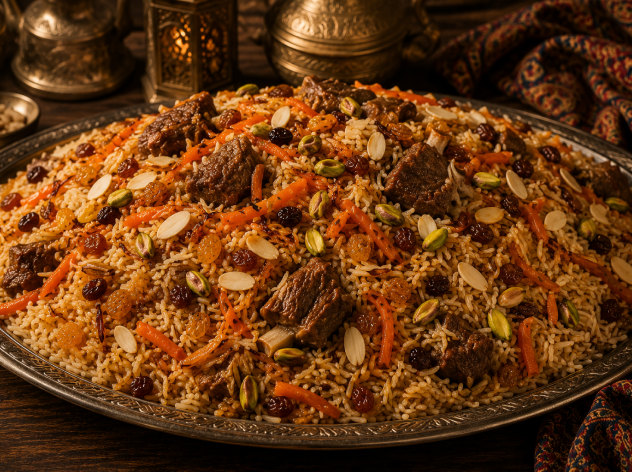
  5. Top and serve: Transfer the rice to a serving platter, arrange the meat throughout, and finish with the glazed carrots, raisins, and toasted nuts.

The colour should develop naturally as the rice absorbs the caramel stock. Resist adding extra water, as it dilutes both the flavour and the rich brown hue.

Chef's Tip: Keep the heat at its absolute lowest during the steaming stage and place a hot tava beneath the pot. This prevents the sugary caramel base from catching while allowing the rice to cook evenly.

Quick Trick: Steam the glazed carrots and raisins over the rice during the final 5 minutes of cooking. They stay glossy, warm through beautifully, and gently perfume the rice without becoming soft.

Kabuli Pulao
Kabuli Pulao

Plating the National Dish

Kabuli pulao is meant to look as generous as it tastes. The arrangement is part of its charm.

  • Mound the rich brown rice: Spread the steamed, caramel-coloured rice across a wide serving platter.
  • Set the meat through it: Tuck the tender lamb pieces into and over the rice so they are easy to serve.
  • Crown with the jewels: Generously scatter the glazed carrots, plump raisins, and toasted nuts over the top.
  • Serve at once: Bring the whole platter to the table so the beautiful topping can be admired before serving.

You will know your kabuli pulao is ready by its deep brown, glossy grains, each one separate and balanced by the bright sweetness of the carrots and raisins and the crunch of toasted nuts. Do not stir the topping into the rice—it is meant to sit proudly on top like a crown. That contrast of savoury rice and sweet, jewelled garnish is exactly what makes this Afghan classic so beloved.

Serving and Common Mistakes to Avoid

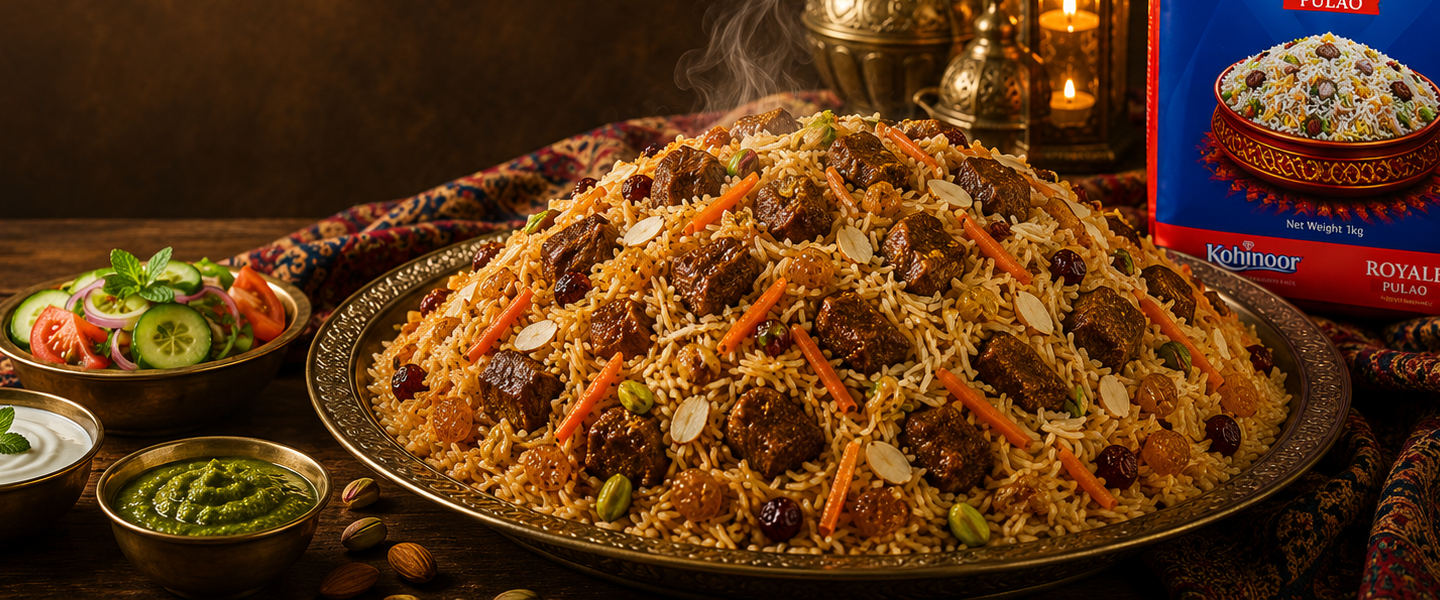
Serve kabuli pulao hot on a large platter with a fresh salad, yoghurt, and a green chutney on the side. Keep the carrots, raisins, and toasted nuts piled on top so every serving includes a little of the sweet, jewelled crown along with the savoury rice and tender lamb.

The mistakes that flatten this dish are an under-caramelised base, mushy carrots, and over-watered rice. Caramelise the onions and sugar deeply, glaze the topping separately, and let the rice absorb the rich stock instead of plain water for a truly authentic kabuli pulao.

Kabuli Pulao

Explore Our Product

Discover the Finest Range of Kohinoor Basmati Rice Products

Frequently Asked Questions

Why is my kabuli pulao pale instead of brown?

▲

The deep brown colour comes from properly caramelising the onions and sugar, so take the caramel further than feels comfortable, just short of burning. The colour should come from the caramel stock, never food colour.

Why glaze the carrots and raisins separately?

▼

Cooking them apart keeps the carrots glossy and tender-crisp and the raisins plump. Added too early, they turn soft and lose the bright sweetness that defines the dish.

What is the best method for the rice?

▼

A two-stage method works best. Par-boil the soaked Kohinoor Basmati until just over half done, then steam it over the meat and caramel stock so it absorbs the flavour while staying separate.

Which rice is best for kabuli pulao?

▼

A premium long grain like Kohinoor Royale Pulav Basmati Rice keeps the grains long and distinct, which is essential for the dish's elegant, jewelled presentation.

Why make steam holes in the rice?

▼

Poking a few holes with a spoon handle before steaming lets the steam rise evenly through the rice, cooking the grains uniformly without stirring.

CLOSE

ENQUIRE FORM