
Kohinoor Classic Gold Basmati Rice
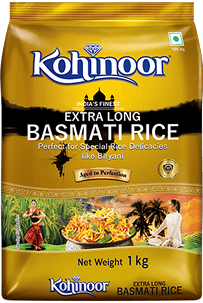
Product Used
Kohinoor Classic Gold Basmati Rice

Kolkata biryani is a thing apart in the world of biryanis-softer, subtler, and quietly elegant. Carried to Bengal by the exiled Nawab Wajid Ali Shah of Lucknow, it evolved into a lighter, less fiery style defined by two unmistakable signatures: a soft, golden potato in every portion and, often, a boiled egg. The spicing is gentle, the colour is pale, and the whole dish is perfumed with the heady scent of kewra and rose.

Because it is so delicately balanced, this biryani is easy to get subtly wrong. Cooks used to spicier biryanis often overload the chilli and masala, drowning its trademark restraint, while others undercook the famous potato, which should be soft enough to melt. The art here lies in subtlety, not strength.

This guide explains the full method in detail: how to marinate the mutton gently, prepare the iconic aloo so it soaks up flavour and turns buttery soft, parboil the rice with the right aromatics, and layer everything on dum with kewra and a hint of sweetness. With these techniques, you can recreate this refined Lucknow-meets-Bengal classic at home.

Ingredients You Need

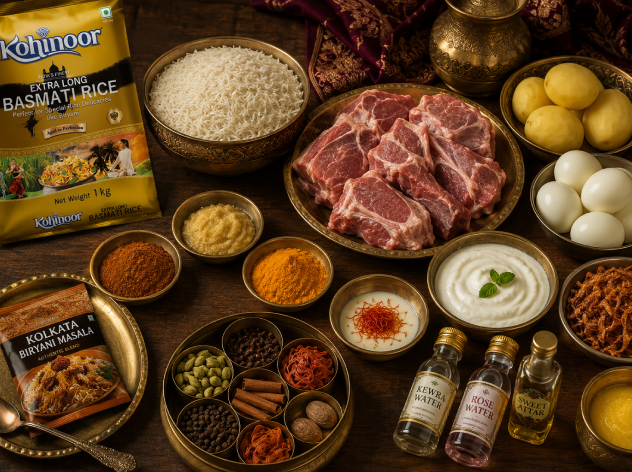
Kolkata biryani is all about delicate, fragrant spicing. Each ingredient supports its soft, perfumed character.

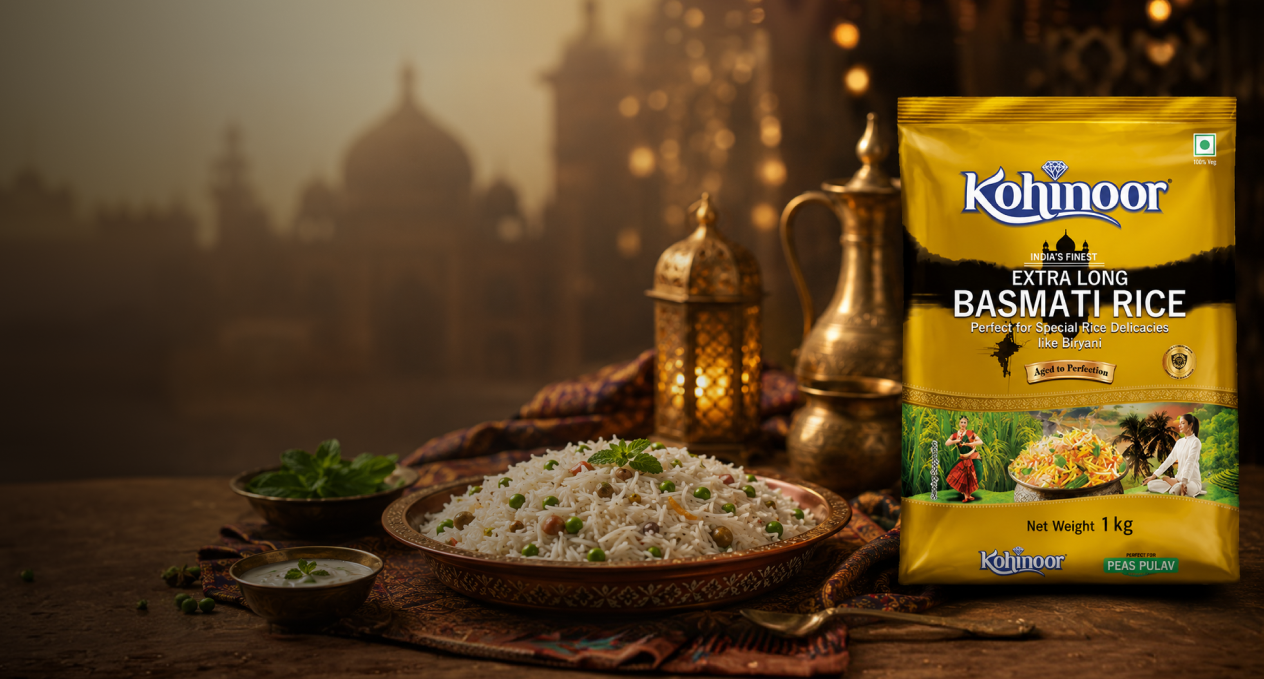
  • 2 cups extra long grain basmati rice (Kohinoor Classic Gold Basmati Rice works well)
  • 500 g mutton (bone-in pieces)
  • 4 medium potatoes (peeled, halved — the Kolkata signature)
  • 4 eggs (boiled, optional but traditional)
  • 1 cup thick yoghurt
  • 3 onions (fried golden — beresta)
  • 2 tbsp ginger-garlic paste
  • 1 tsp Kolkata biryani masala (mace, nutmeg, cardamom-led, mild)
  • ½ tsp turmeric
  • A pinch of red chilli (kept gentle)
  • 1 tsp kewra water + a few drops of rose water + a pinch of sweet attar
  • ½ cup milk with saffron
  • 4 tbsp ghee
  • Salt as required

Tip: Kolkata biryani is famously gentle on chilli. Lean on aromatic spices like mace, nutmeg, and cardamom for fragrance, and keep the heat low—restraint is the defining character of this dish.
Kolkata Mutton Biryani

How to Prepare the Mutton, Potato and Egg

The soft aloo is as important as the meat here. Treat both gently so they turn tender and full of flavour.

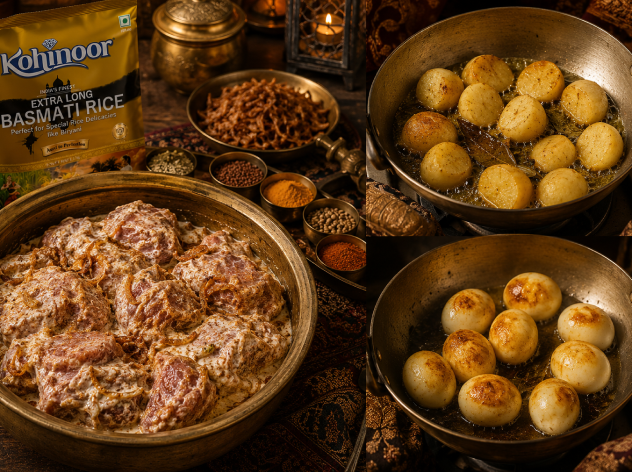
  • Marinate the mutton: Combine it with yoghurt, ginger-garlic paste, fried onions, and the mild biryani masala. Let it rest for at least an hour so the meat becomes tender and flavourful.
  • Cook the potatoes in the masala: Lightly fry the potatoes with a little turmeric, then simmer them alongside the mutton so they absorb the spices and become buttery soft.
  • Keep the spicing gentle: Rely on aromatic spices for fragrance and use chilli sparingly. Kolkata biryani is known for its delicate balance rather than heat.
  • Boil the eggs separately: Cook, peel, and lightly fry the eggs so they hold their shape when layered into the biryani.
  • Half-cook the mutton first: Cooking the mutton until nearly tender before dum ensures it finishes perfectly while the rice steams.

Common Mistakes to Avoid

  • Over-spicing the masala
  • Hard, undercooked potatoes
  • Skipping the kewra water
  • Tough, rushed mutton

Tender mutton, melt-soft potatoes, and gentle, fragrant spicing are what make a true Kolkata biryani so distinctive.

The rice in a Kolkata biryani is kept pale and delicate, never deeply coloured. Wash the basmati two or three times and soak it for 30 minutes so the long grains lengthen evenly. Boil it in salted water with a few whole spices and, traditionally, a knot of aromatic kewra until it is about 70% cooked, leaving a firm core that will finish during the dum.

Draining the rice at exactly the right moment is everything. Press a grain between your fingers-it should break with a tiny hard centre still inside. Drain it immediately and spread it out. A subtle Kolkata touch is to add just a hint of sweetness, either a little sugar or a drop of sweet attar, which enhances the fragrance without making the biryani taste sweet, balancing the kewra and rose beautifully.

Layering and Dum — Step by Step

The layering follows the classic biryani method, finished with the signature Kolkata aromatics.

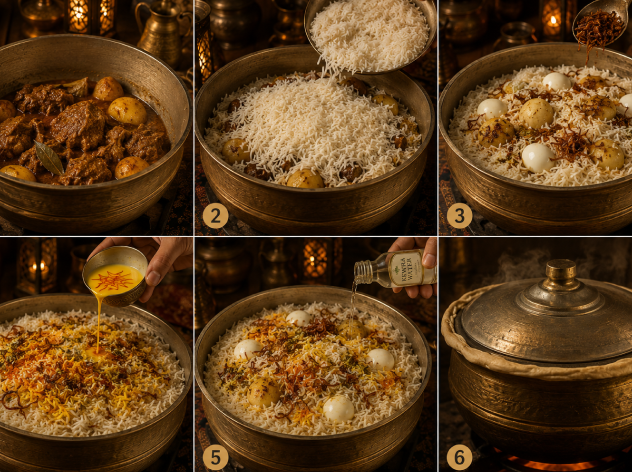
  1. Base layer: Spread the tender mutton, soft potatoes, and a little of their gravy across the bottom of the pot.
  2. Add the rice: Layer the parboiled rice over the top, tucking the boiled eggs into the rice as you go.
  3. Perfume it: Drizzle saffron milk, ghee, fried onions, kewra water, and rose water evenly over the surface.
  4. Seal the pot: Cover tightly with dough or foil and place the lid on top to trap every bit of steam and aroma.
  5. Dum gently: Cook over high heat for 5 minutes, then reduce the heat to its lowest setting and continue cooking for 20 minutes. Let the biryani rest before opening the pot.

Kolkata biryani needs only a short, gentle dum because the meat and potatoes are already tender. The rice simply needs to finish cooking while absorbing the delicate perfume of the aromatics.

Chef's Tip: Add the kewra water and rose water with a light hand. Just a few drops perfume the entire pot, while too much can create a soapy flavour that overwhelms the delicate balance for which Kolkata biryani is known.

Quick Trick: Place a hot tava beneath the pot during dum and keep the flame at its lowest. The gentle, even heat prevents the pale rice and soft potatoes from catching at the bottom.

Kolkata Mutton Biryani

Resting, Serving and the Famous Aloo

A short rest lets the delicate aromas settle. Then serve so every plate gets the prized potato.

  • Rest sealed: Leave the pot covered for 10 minutes so the kewra and saffron settle gently into the grains.
  • Lift, don't stir: Run a spoon down the side of the pot and lift gently to keep the rice, potatoes, and eggs whole.
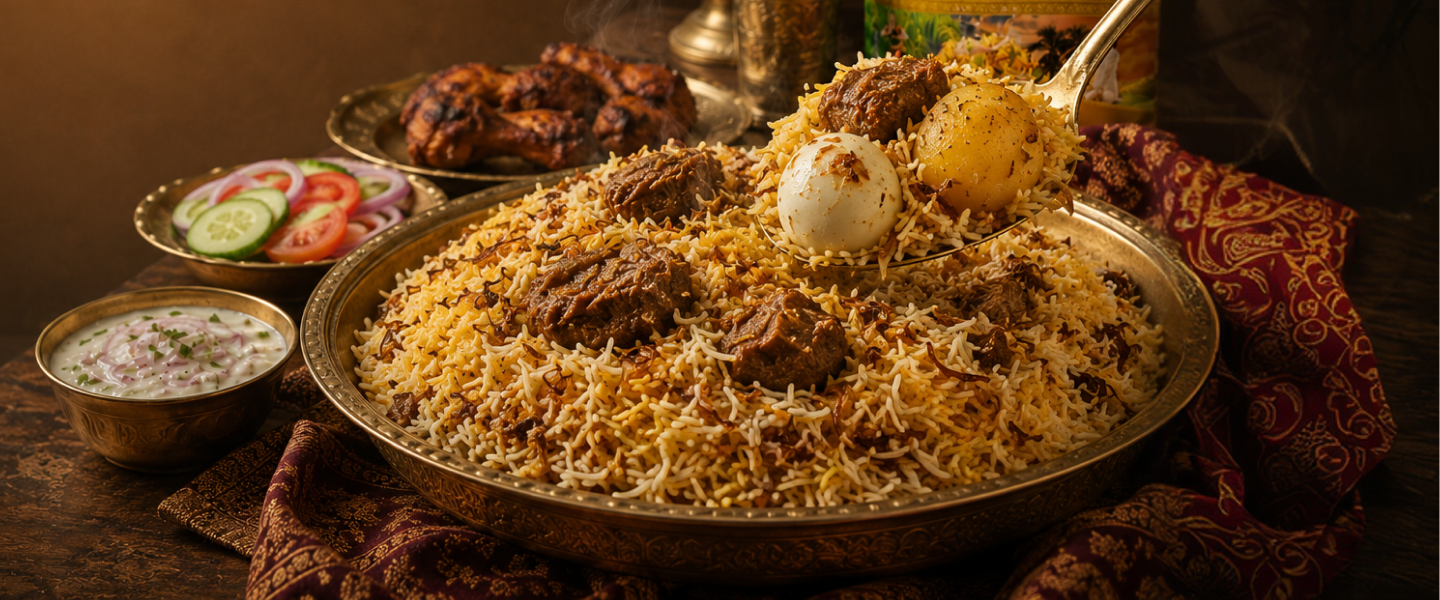
  • One potato per plate: The soft aloo is the heart of Kolkata biryani, so make sure every serving includes one.
  • Serve simply: Pair it with a light salad or a cooling raita to complement its delicate flavours.

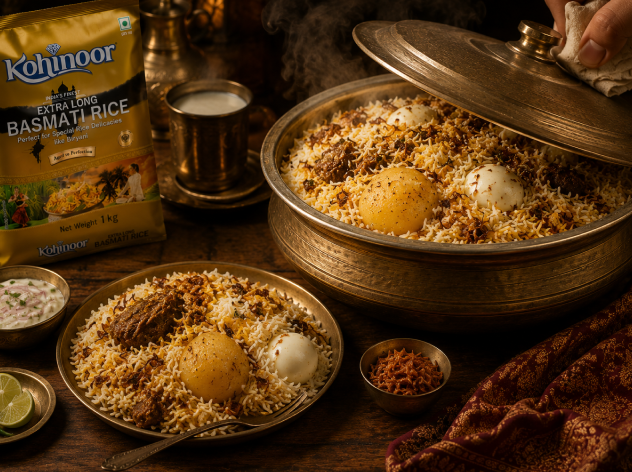
You can tell a Kolkata biryani is ready by its pale, separate grains, its gentle fragrance of kewra and saffron, and a potato so soft it yields at the touch of a spoon. Do not mix it like a pulao or overpower it with chilli—its quiet elegance is the very essence of the dish. A short resting time and a delicate hand are what make this biryani so memorably refined.

Serving and Common Mistakes to Avoid

Serve Kolkata biryani hot, ensuring every portion includes the signature soft potato and a boiled egg, alongside a light salad, cooling raita, or a simple chicken chaap. Lift each serving gently from the side to keep the delicate grains, melt-soft aloo, and egg intact.

The faults that spoil this style are heavy-handed chilli, an undercooked potato, and too much kewra water. Keep the spicing gentle and aromatic, cook the aloo until buttery soft, and use the kewra with a light hand for an authentic, elegant Kolkata biryani.

Kolkata Mutton Biryani

Explore Our Product

Discover the Finest Range of Kohinoor Basmati Rice Products

Frequently Asked Questions

What makes Kolkata biryani different from other biryanis?

▲

It is gentler and more delicately spiced, with a pale colour, a soft potato (and often an egg) in every portion, and the distinctive perfume of kewra and rose over fragrant Kohinoor Basmati.

Why is there a potato in Kolkata biryani?

▼

The soft, golden aloo is the dish's signature, dating from its Lucknow-to-Bengal history. It should be cooked in the masala until buttery soft so it soaks up the flavour.

How do I keep the spicing authentic?

▼

Go easy on the chilli and lean on aromatic spices like mace, nutmeg, and cardamom. Kolkata biryani is defined by its restraint, not its heat.

How much kewra and rose water should I use?

▼

Just a few drops. They perfume the whole pot, but too much turns soapy and overwhelms the delicate balance the dish is loved for.

Which rice is best for Kolkata biryani?

▼

A long, aged grain such as Kohinoor Classic Gold Basmati Rice stays separate and pale through the gentle dum, giving this biryani its refined, fragrant look.

CLOSE

ENQUIRE FORM