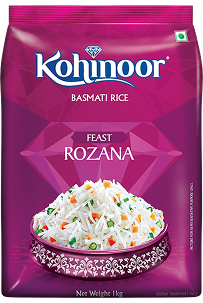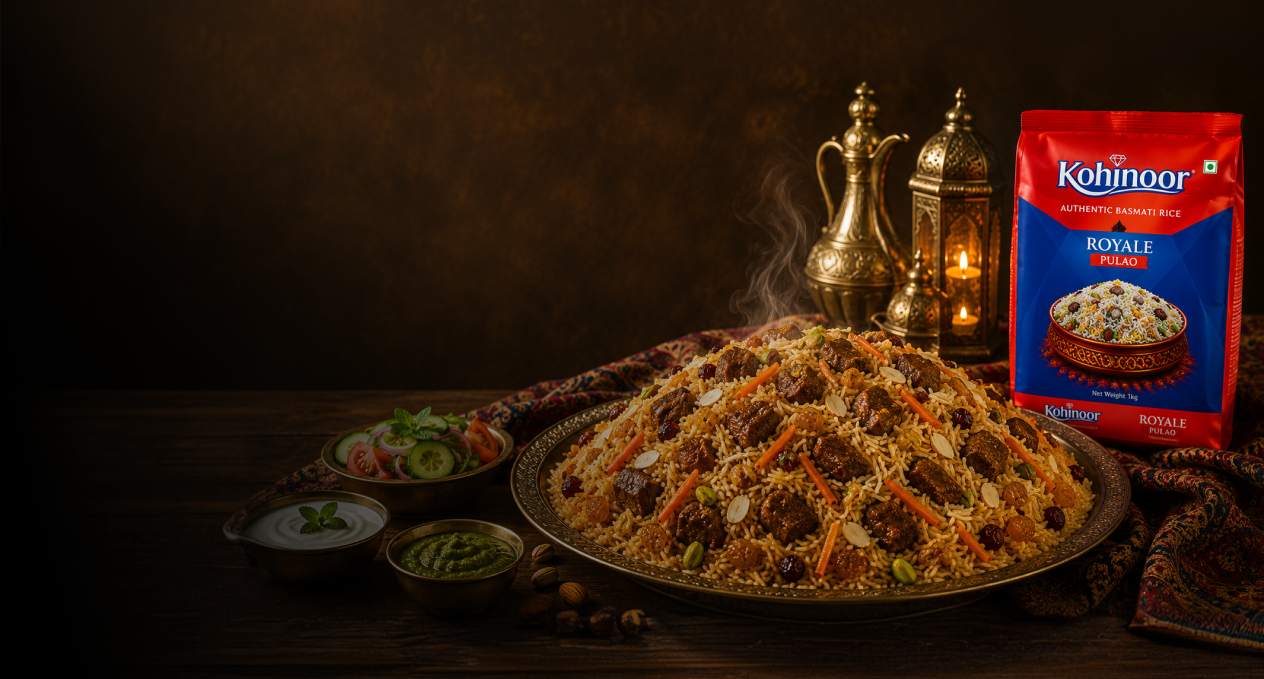

Royale Pulao Basmati Rice
Product Used
Royale Pulao Basmati Rice

Mandi is one of the great rice dishes of the Arabian Peninsula, born in Yemen and now loved across the Middle East and South Asia. At its heart it is beautifully simple: meat is slow-cooked until it falls off the bone, and long-grain rice is cooked in that rich, spiced broth. What sets mandi apart is its gentle, smoky aroma and the warm, citrusy fragrance of dried lime and whole spices.

Where home cooks often go wrong is in two places. They either rush the meat, leaving it tough instead of meltingly tender, or they cook the rice in plain water and lose the entire point of the dish. Mandi rice should be pale gold, fluffy, and infused with the flavour of the broth—never sticky, never bland.

This guide explains the full method clearly, including the optional charcoal smoking (dum bil faham) that gives mandi its signature aroma. You will learn how to make a deeply flavoured stock, how to cook the rice by absorption so it stays separate, and how to bring the smoke and ghee together at the end for a truly authentic finish.

Ingredients You Need

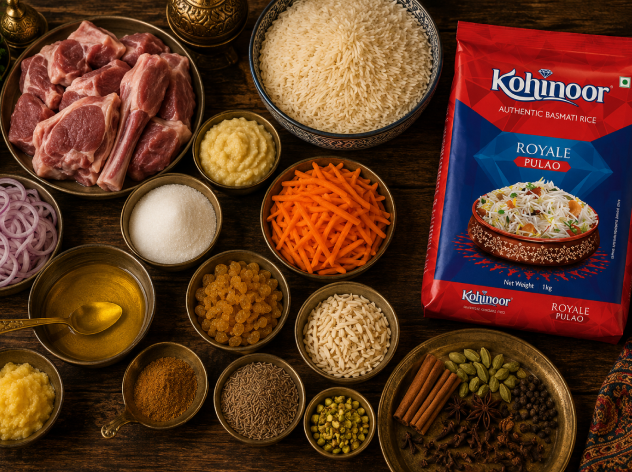
Mandi keeps its spicing warm and aromatic rather than hot. Each ingredient builds the gentle, smoky character of the dish.

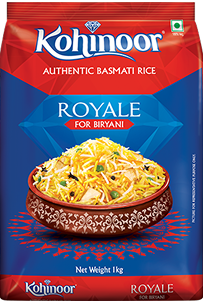
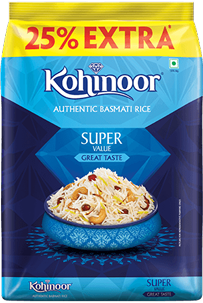
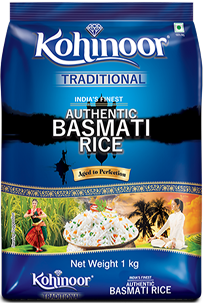
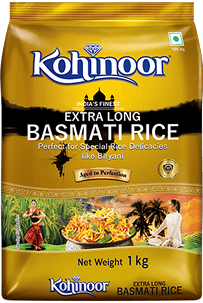
  • 2 cups long grain basmati rice (Kohinoor Authentic Basmati Rice works well)
  • 700 g chicken or lamb (bone-in, for a rich stock)
  • 2 onions (chopped)
  • 1 tbsp ginger-garlic paste
  • 2 tomatoes (chopped)
  • 2–3 dried limes (loomi), the signature mandi flavour
  • 1–2 tbsp mandi or hawaij spice mix (or your own blend)
  • Whole spices (bay leaf, cloves, cardamom, cinnamon, black pepper)
  • A pinch of saffron or turmeric for colour
  • 3 tbsp ghee + oil
  • Salt as required
  • For smoking: 1 piece of charcoal + a little ghee (optional but authentic)

Tip: Pierce the dried limes before adding them so their tangy, fermented flavour seeps into the stock. They are the single most distinctive note in mandi.
Mandi Rice
Mandi Rice

How to Make the Stock and Prepare the Rice

Everything in mandi flows from the broth. Build it with patience, and the rice will take care of itself.

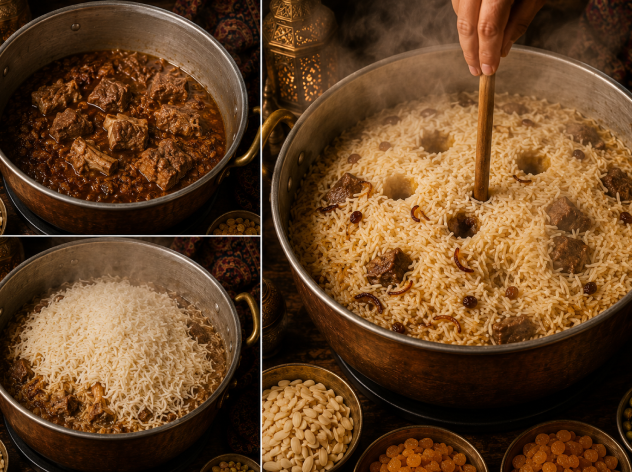
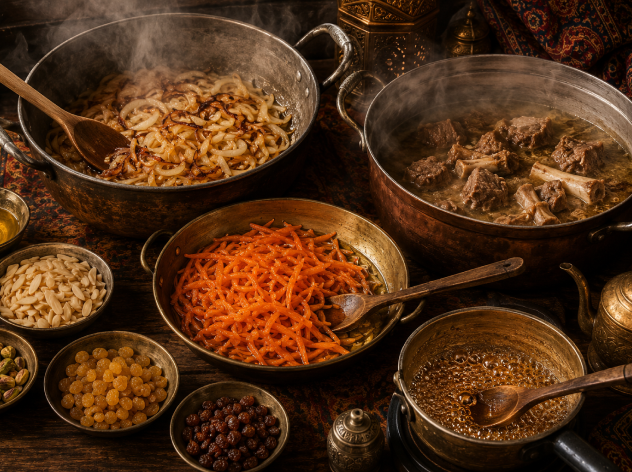
  • Brown, then simmer: Sear the meat first for colour and depth, then simmer it low and slow until it is fork-tender and the stock is rich.
  • Use the dried limes whole: Pierced loomi release a warm, citrusy tang that defines mandi. Remove them before they turn the stock bitter.
  • Strain and measure: Pass the stock through a sieve and measure it. This flavoured liquid, not water, is what cooks the rice.
  • Soak the rice: Wash and soak the basmati for 30 minutes so the grains lengthen and cook evenly in the broth.
  • Keep the meat aside: Set the tender meat apart to roast or grill briefly later, so it goes on top with a little char.

Common Mistakes to Avoid

  • Rushing the meat
  • Cooking rice in plain water
  • Skipping the dried lime
  • Using the wrong stock-to-rice ratio

A slow-cooked, well-strained stock and the right liquid ratio are what give mandi its tender meat and fluffy, fragrant grains.

Mandi rice is cooked entirely by absorption, so the golden rule is the ratio between rice and stock. For most long-grain basmati, roughly one part soaked rice to one-and-a-half parts stock gives separate, fluffy grains that have absorbed all the flavour. Measure once, and you take the guesswork out of the whole dish.

The optional charcoal smoking is what turns a good mandi into an unforgettable one. The trick is simple: once the rice is cooked, place a small heatproof bowl in the centre, drop in a piece of red-hot charcoal, spoon a little ghee over it, and immediately cover the pot. The ghee hits the coal, releases fragrant smoke, and the closed lid traps that aroma deep into the rice in just a couple of minutes.

Cooking the Mandi — Step by Step

With a rich stock ready, the rice cooks quickly. The smoking at the end is what makes it authentic.

  1. Flavour the base: Sauté the onions, ginger-garlic paste, and tomatoes with the mandi spice mix until soft and fragrant.
  2. Add the stock and rice: Pour in the measured stock, add the drained rice and saffron, then taste and adjust the salt.
  3. Boil, then cover: Bring everything to a boil, then cover the pot and cook over low heat until the liquid is fully absorbed and the rice is just cooked.
  4. Smoke it: Place a small bowl with hot charcoal in the centre, pour a little ghee over the charcoal, and cover the pot for 2–3 minutes to infuse the rice with its signature smoky aroma.
  5. Crisp the meat: Roast or grill the reserved meat briefly, then arrange it over the cooked rice before serving.

Once the liquid is absorbed, let the rice rest, covered, before fluffing. This allows the grains to steam gently, become tender, and firm up so they remain separate.

Chef's Tip: Fluff the rice with a fork from the base, never a spoon, and place the meat on top only at the end so its juices stay with the meat instead of making the rice soggy.

Quick Trick: No charcoal? Stir a drop of liquid smoke into the ghee, or simply let the covered pot rest over the lowest flame for a few minutes to create a subtle smoky flavour.

Mandi Rice
Mandi Rice

Plating and the Final Flourish

Mandi is traditionally served on one large platter to share. The presentation is part of the experience.

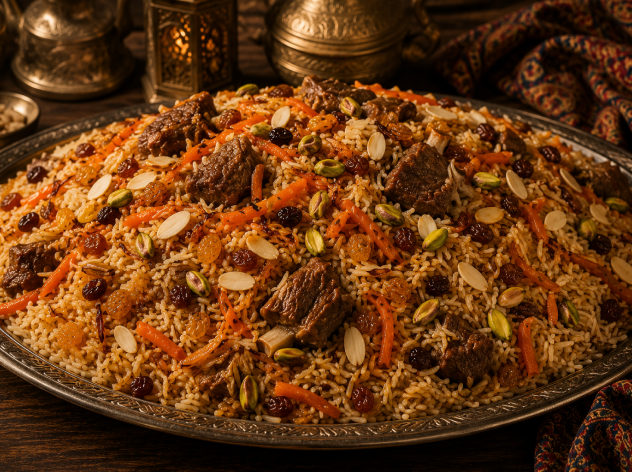
  • Bed of rice first: Mound the smoked, fluffed rice across a wide serving platter as the base.
  • Meat on top: Arrange the roasted meat in the centre so its juices and lightly charred exterior are on full display.
  • Garnish warmly: Scatter fried onions, toasted nuts, and a few raisins for the classic finishing touch.
  • Serve with sahawiq: A spicy tomato and chilli sauce on the side cuts through the richness beautifully.

You will know the mandi is ready by its look and aroma,pale golden, separate grains carrying a gentle smoky fragrance, with meat so tender it pulls apart effortlessly with a spoon. Avoid stirring the rice too vigorously, or it will lose its fluffy texture, and never skip the resting time. That patient, smoky finish is exactly what makes mandi such a celebrated dish across the Arab world.

Serving and Common Mistakes to Avoid

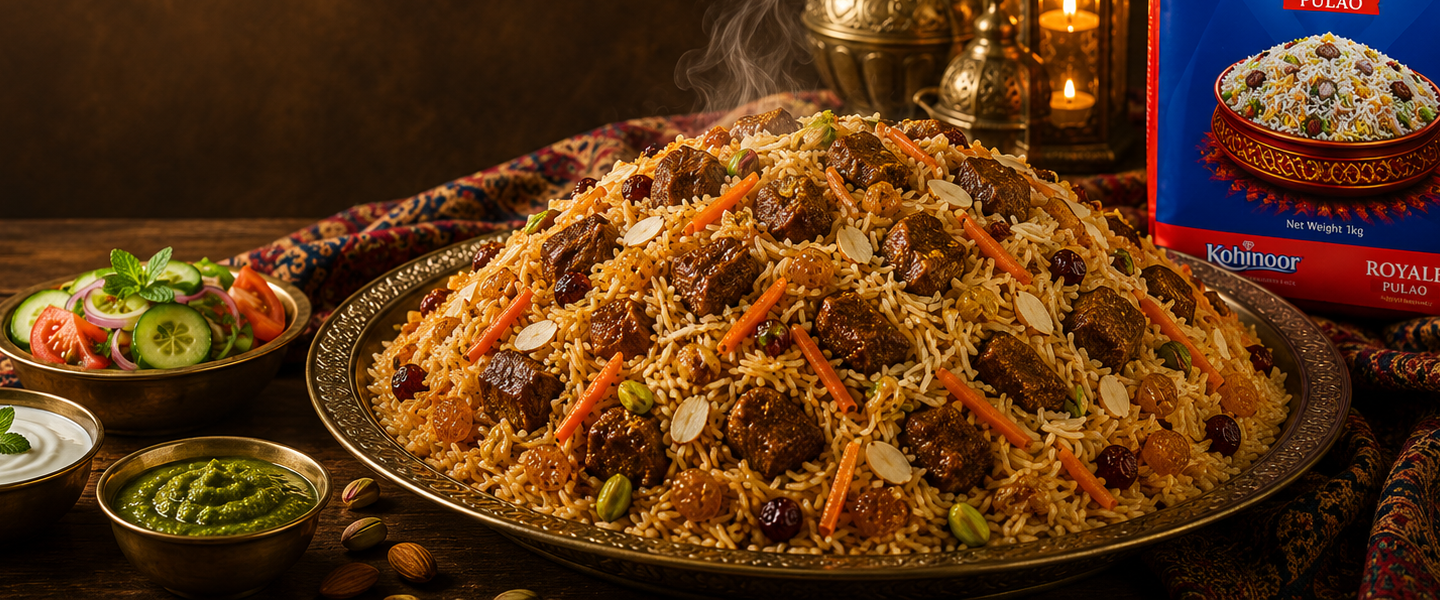
Serve mandi hot on a large shared platter with a spicy sahawiq sauce, a fresh salad, and yoghurt on the side. Lift the rice gently to keep it fluffy and place the tender meat on top so every serving includes both.

The faults that undo a mandi are tough meat from rushing the simmer, bland rice from cooking it in water instead of stock, and a missing smoky aroma. Simmer the meat patiently, cook the rice in the flavourful broth, and take the extra two minutes to smoke the dish for an authentic mandi every time.

Mandi Rice

Explore Our Product

Discover the Finest Range of Kohinoor Basmati Rice Products

Frequently Asked Questions

What gives mandi its distinctive flavour?

▲

Dried limes (loomi) and warm whole spices give mandi its signature citrusy, aromatic character. Pierce the loomi before adding them so their tang seeps into the stock.

Why cook the rice in stock instead of water?

▼

The whole point of mandi is rice infused with the flavour of slow-cooked meat. Cooking the Kohinoor Basmati in the strained stock, not water, is what makes the grains fragrant.

Which rice works best for mandi?

▼

A long grain like Kohinoor Authentic Basmati Rice is ideal, as its slender grains stay separate and soak up the spiced stock beautifully.

Why is my meat tough?

▼

It was likely rushed. Mandi meat should be cooked low and slow until it pulls apart easily, and the tenderness comes from patient simmering.

How is mandi traditionally served?

▼

On one large shared platter, a bed of smoked Kohinoor rice topped with the roasted meat, garnished with fried onions and nuts, with a spicy sahawiq sauce on the side.

CLOSE

ENQUIRE FORM