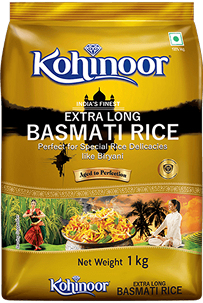

Kohinoor Traditional Authentic Basmati Rice
Product Used
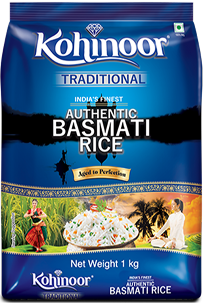
Kohinoor Traditional Authentic Basmati Rice

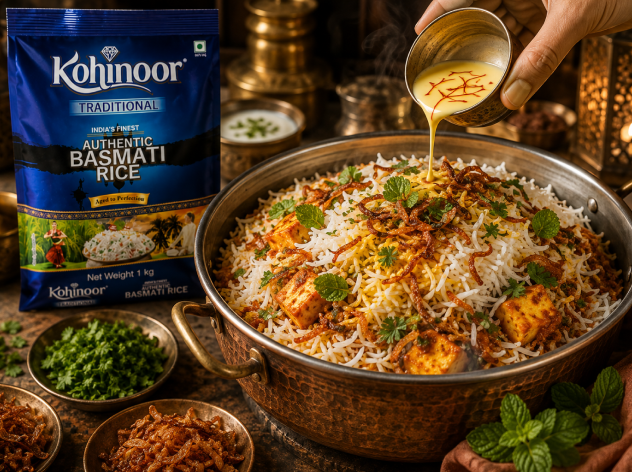
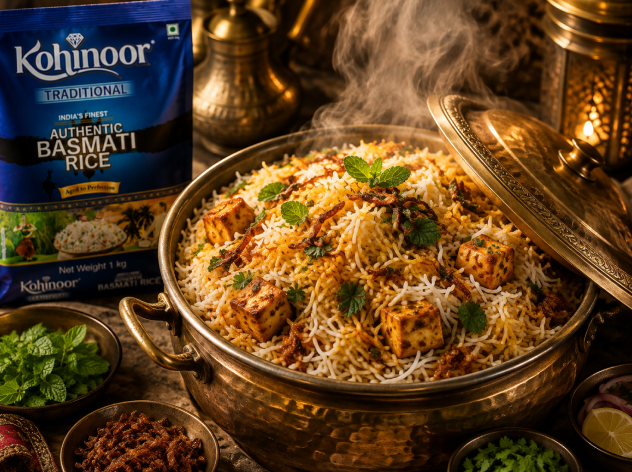
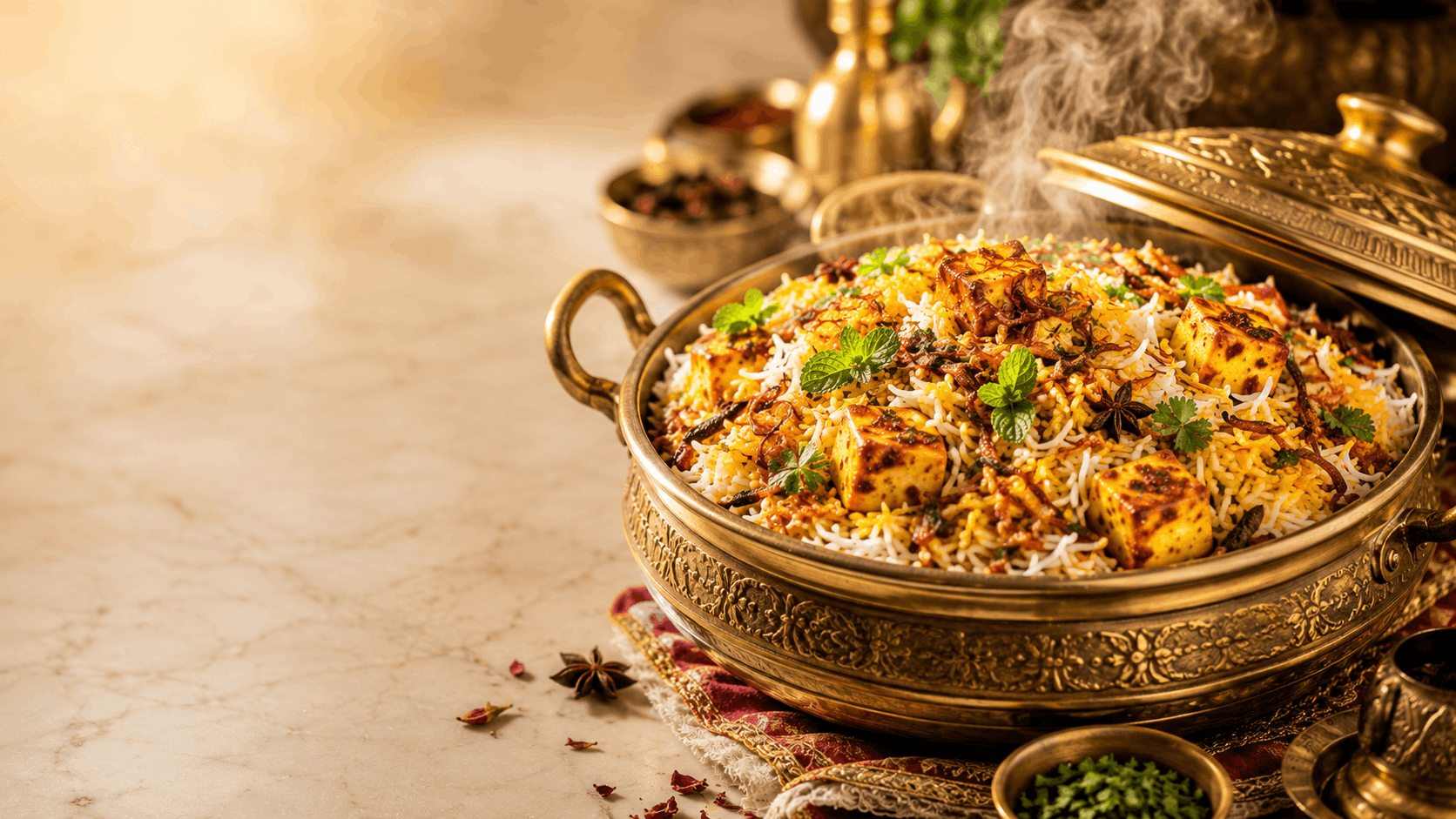
Every good biryani has two things going for it: how it tastes, and how it looks the moment the lid comes off. Paneer biryani, in particular, lives or dies on that second part. Golden, separate grains, visible layers of spice and paneer, that faint wisp of steam carrying saffron and fried onions—it's a dish people photograph before they eat.

Getting there isn't complicated, but it does depend on one detail most recipes gloss over: the rice itself, and how much it's allowed to grow. This page walks through a full paneer biryani recipe, why it's become such a favourite vegetarian centrepiece, and the specific long grain trick that gives restaurant-style paneer biryani its signature look.

Why Paneer Biryani Is a Popular Vegetarian Dish

Biryani has always been associated with meat, which is exactly what makes the paneer version stand out. It gives vegetarians a seat at a dish that's usually built around chicken or mutton, without losing any of the drama—the layered rice, the slow dum cooking, the fried onions, and the whole spices.

Paneer also happens to hold its shape through the dum process, soaks up the biryani masala without falling apart, and adds a soft, mild contrast to the rice's texture. That combination is why veg biryani recipe searches so often lead people specifically to paneer. Over other vegetarian fillings, it behaves almost like meat would, minus the cooking time and complexity that mutton or chicken demand.
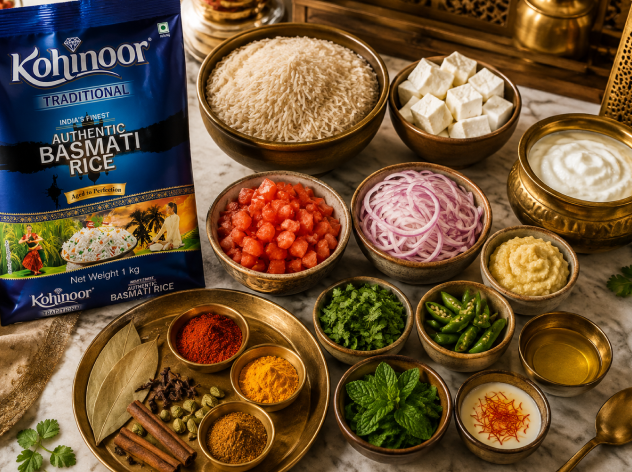
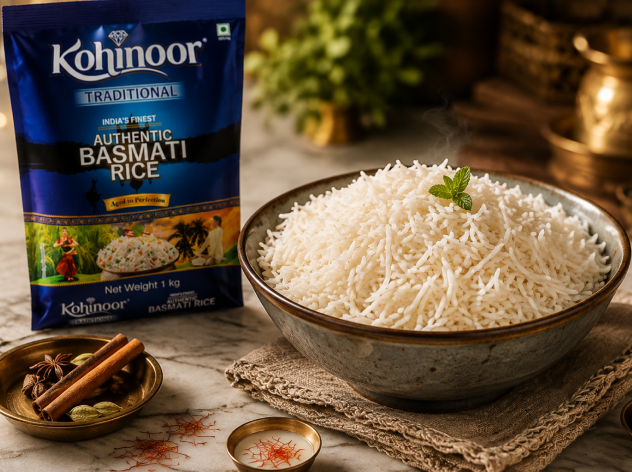
Paneer Biryani Recipe with Long Grain Basmati Rice

Best Rice for Paneer Biryani

Biryani is unforgiving about rice quality in a way most other dishes aren't. Short or broken grains clump, overcook, and lose the layered look a biryani is supposed to have. This is why extra long grain basmati rice is treated as non-negotiable by anyone making biryani seriously.

Kohinoor Basmati Rice for biryani works well here because of its natural grain length and low starch content, both of which matter more than people expect. Lower starch keeps the grains from sticking to each other during the dum stage, while longer grains hold their shape and continue to look distinct even after absorbing all the masala and steam.

Whatever paneer recipe or spice blend you're working with, the rice underneath determines whether the final dish looks like biryani or flavoured rice with paneer scattered through it.

How to Make Paneer Biryani at Home

Ingredients

  • 2 cups Kohinoor Classic Gold Basmati Rice
  • 250g paneer, cubed
  • 2 onions, thinly sliced
  • 1 cup yogurt
  • 2 tomatoes, chopped
  • 1 tbsp ginger-garlic paste
  • 2 green chillies, slit
  • 1 tsp red chilli powder
  • ½ tsp turmeric
  • 1 tsp garam masala
  • Whole spices: bay leaf, cinnamon, cloves, cardamom
  • A few saffron strands soaked in 2 tbsp warm milk
  • Fresh mint and coriander leaves
  • 3 tbsp ghee or oil
  • Salt, to taste

Method

  1. Soak the rice for 30 minutes, then par-cook it in salted water with whole spices until about 70% done. Drain and set aside.
  2. Fry the sliced onions in ghee until deep golden and crisp. Remove and set half aside for layering.
  3. In the remaining ghee, sauté the ginger-garlic paste and green chillies, then add the tomatoes and cook until soft.
  4. Stir in the turmeric, red chilli powder, and yogurt, then cook until the masala thickens slightly.
  5. Add the paneer cubes and coat them gently in the masala, taking care not to break them.
  6. In a heavy-bottomed pot, layer the paneer masala at the base, followed by the par-cooked rice.
  7. Top with the fried onions, mint, coriander, and saffron milk, then cover the pot tightly.
  8. Cook on dum over very low heat for 20–25 minutes, allowing the flavours to steam through undisturbed.
  9. Rest for 5 minutes before opening the lid, then fluff gently from the bottom up to mix the layers.
Paneer Biryani Recipe with Long Grain Basmati Rice

Restaurant-Style Paneer Biryani Tips

These simple tips will help you achieve fluffy, flavourful, restaurant-style paneer biryani with perfectly layered rice and tender paneer.

  • Par-cook the rice only until about 70% done, as it finishes cooking during the dum stage. Overcooking at this stage leads to mushy grains later.
  • Fry the paneer lightly before adding it to the masala to help it hold its shape throughout the dum process.
  • Layer the rice, masala, fried onions, and fresh herbs generously instead of mixing everything together before cooking.
  • Seal the pot properly with a tight-fitting lid or a dough seal to trap the steam during the dum stage.
  • Let the biryani rest for a few minutes after cooking before opening the lid. This allows the layers to settle and makes serving easier.

These small habits are what separate a decent home version from something that could pass for restaurant-style paneer biryani. None of them is difficult; they simply require a little more patience than a regular one-pot rice dish.

Explore Our Product

Discover the Finest Range of Kohinoor Basmati Rice Products

Frequently Asked Questions

Which rice is best for paneer biryani?

▲

Extra long grain basmati rice, like Kohinoor Classic Gold, is best, since its length and low starch content keep the grains separate and visually distinct after cooking.

How to make fluffy biryani?

▼

Rinse and soak the rice well, par-cook it only partially, and finish it gently on dum with minimal stirring. Fluffing from the bottom up after resting also helps keep the grains light rather than compacted.

Why is basmati used?

▼

Basmati is used because of its natural aroma, long grain length, and tendency to stay separate rather than sticky, all of which suit biryani's layered, textured style far better than a shorter or starchier rice.

How to get long rice grains?

▼

Soak the rice properly before cooking, avoid overcrowding the pot, and cook on low, steady heat during the dum stage. This allows the grains to stretch to their full length rather than staying short and dense.

What is the secret of biryani texture?

▼

It comes down to par-cooking the rice correctly, layering rather than mixing the ingredients, and finishing everything on a slow dum. Together, these steps give biryani its distinct, separate-grain texture rather than a mushy, one-note finish.

CLOSE

ENQUIRE FORM