Kohinoor Traditional Authentic Basmati Rice
Product Used
Kohinoor Traditional Authentic Basmati Rice

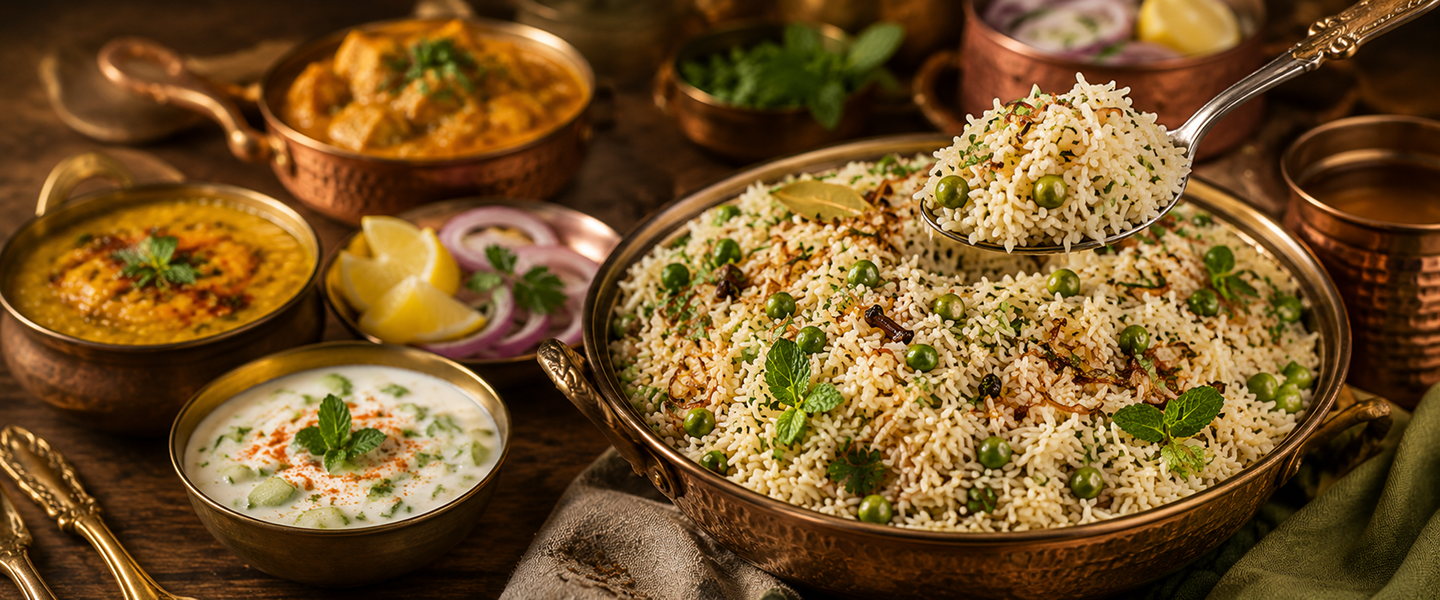
Peas pulav, or matar pulao, is one of the simplest and most loved everyday rice dishes. Fragrant basmati cooked with sweet green peas and a few whole spices, it is light, quick, and endlessly comforting. It dresses up a weekday meal without any fuss and pairs with almost any curry.

This guide explains how to make a perfect peas pulav, step by step. It covers how to choose and prepare the rice, build a fragrant spiced base, get the water ratio right, and cook to soft, separate grains. Follow each step, and you can make a light, aromatic pulav at home every single time.

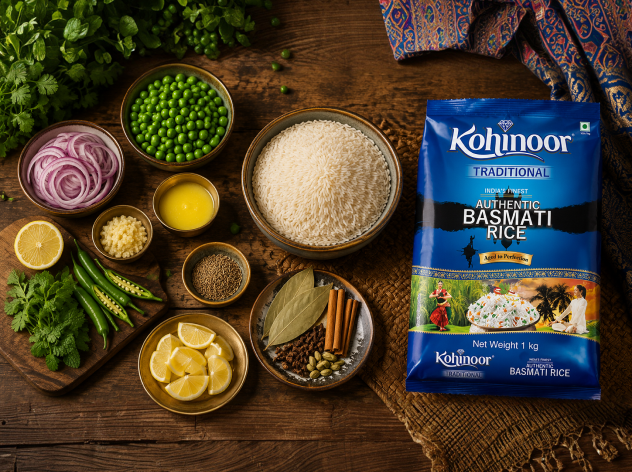
Ingredients You Need

Peas pulav keeps its ingredient list short and simple — each one adds to its gentle, fragrant flavour.

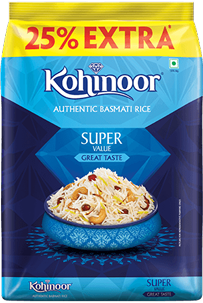
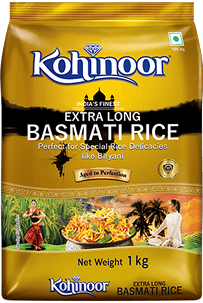
  • 1.5 cups basmati rice (Kohinoor Traditional Basmati Rice)
  • 1 cup green peas (fresh or frozen)
  • 2 tbsp ghee or oil
  • 1 medium onion (thinly sliced)
  • 1 tsp ginger-garlic paste
  • 1–2 green chillies (slit)
  • Whole spices (bay leaf, cloves, cardamom, cinnamon, cumin)
  • 3 cups water (1:2 rice-to-water ratio)
  • Fresh coriander and mint leaves
  • Salt as required
  • 1 tsp lemon juice (optional, for freshness)
Peas Pulav
Peas Pulav

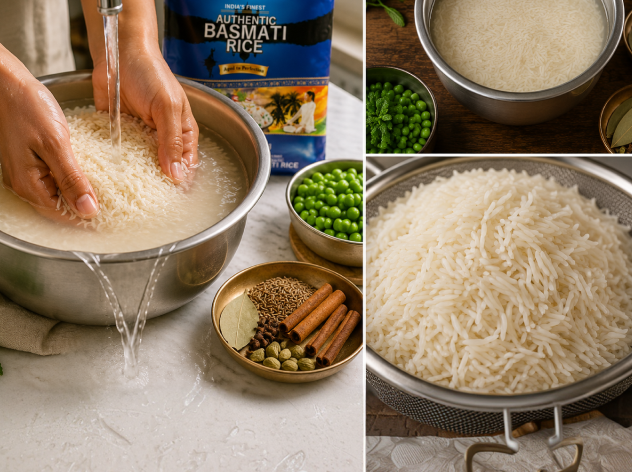
How to Prepare the Rice

The rice decides everything in a pulav. A little care here keeps the grains long, soft, and separate.

  • Wash the rice 2–3 times until the water runs clear to remove excess starch.
  • Soak it for 20–30 minutes so the grains lengthen and cook evenly.
  • Drain the rice well before cooking, or the pulav will turn soggy.
  • Keep the water ratio at about 1:2 for soft, separate grains by absorption.
  • Use fresh, tender peas — older or overcooked peas turn dull and hard.

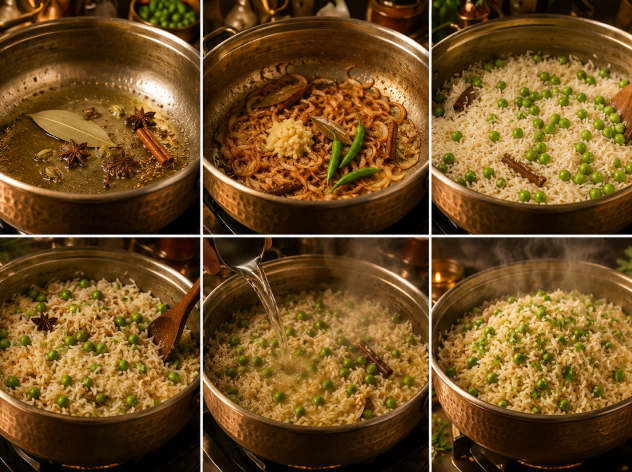
The magic of a pulav lies in its aromatic base. Heat the ghee and let the whole spices sizzle gently until their fragrance fills the kitchen — this is what perfumes the entire dish. Rushing this step leaves the pulav smelling flat, so give the spices a moment to bloom in the fat.

Pulav is cooked by absorption, so the rice soaks up all the flavoured water as it cooks. Toasting the drained rice briefly in the spiced ghee before adding water helps keep every grain separate. Measure the water once, and you remove the guesswork that turns pulav sticky.

Common Mistakes to Avoid

Skipping the soak    Too much water    Over-stirring the rice    Rushing the whole spices

Well-soaked rice and the right water ratio are what make a true peas pulav light, fluffy, and fragrant.

Cooking the Pulav — Step by Step

A fragrant base and the right ratio give peas pulav its fluffy finish. Follow the order carefully.

  • Heat ghee and add the whole spices; let them sizzle and release their aroma.
  • Add the sliced onion, ginger-garlic paste, and green chillies; sauté until golden.
  • Add the green peas and the drained rice; toss gently to coat in the ghee.
  • Pour in the measured water, add salt, and bring to a boil.
  • Cover and cook on low until the water is absorbed and the rice is just done.

Once the water is absorbed, turn off the heat and let the pulav rest, covered, for 5–10 minutes. This steams the grains tender and lets them firm up so they do not break. Fluff gently with a fork, never a spoon, to keep the long grains intact. This light, careful finish is the key to a perfect peas pulav.

Peas Pulav
Peas Pulav

Finishing and Garnishing

A gentle finish keeps the pulav fluffy and brings out its fresh, fragrant character.

  • Rest the pulav, covered, before opening so the steam settles the grains.
  • Fluff lightly with a fork, lifting from the base to keep the grains whole.
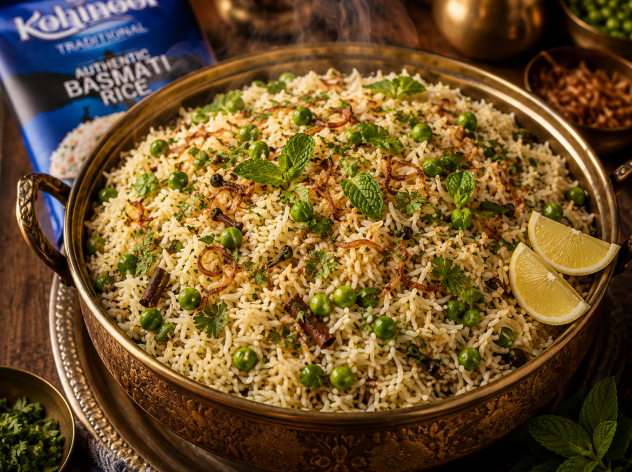
  • Add a squeeze of lemon and a scatter of fresh coriander and mint.
  • Top with a few fried onions for extra aroma, if you like.

You will know the pulav is ready by its look and scent — long, separate grains flecked with green peas and the warm aroma of whole spices. Do not stir it hard at this stage, as it makes the rice mushy. Let it rest a few minutes so the flavours settle into the grains. This gentle finish is what makes peas pulav so light and inviting.

Serving and Common Mistakes to Avoid

Serve peas pulav hot with a cooling raita, dal, or any rich curry for a complete meal. Fluff it gently before serving and avoid over-mixing, which dulls the texture. Light, fragrant, and quick, peas pulav is the everyday rice dish that turns a simple meal into something special.

Peas Pulav

Explore Our Product

Discover the Finest Range of Kohinoor Basmati Rice Products

Frequently Asked Questions

Can I use leftover rice for pulao?

▲

Yes, leftover rice works well for pulao, as it stays firm and stops the dish from becoming mushy. Kohinoor Basmati cooked ahead and cooled holds its shape nicely.

What is the right water ratio for peas pulav?

▼

About 1:2 rice to water for soft, separate grains cooked by absorption. Draining the soaked Kohinoor Basmati well first keeps this ratio accurate.

Can I use frozen peas?

▼

Yes, frozen peas work perfectly and are convenient. Add them straight in with no need to thaw, and they will cook through with the rice.

Why should I soak the rice?

▼

Soaking Kohinoor Basmati for 20 to 30 minutes lets the grains absorb water gently so they lengthen and cook evenly, giving the pulav its long, fluffy grains.

Which rice works best for peas pulav?

▼

Long grain Kohinoor Traditional Basmati Rice is ideal, as its aroma and non-sticky grains give the pulav its signature fluffy finish.

CLOSE

ENQUIRE FORM