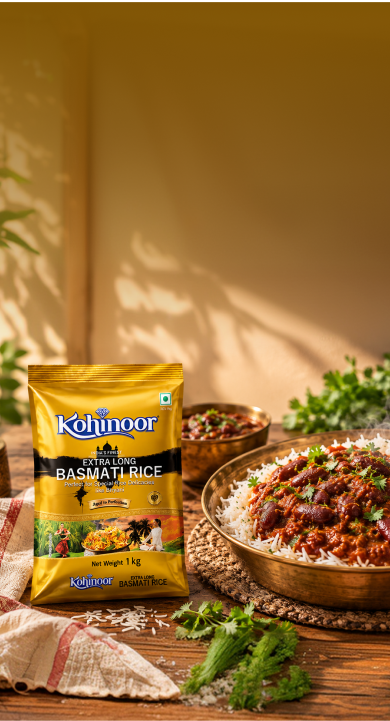
Kohinoor Classic Gold Basmati Rice
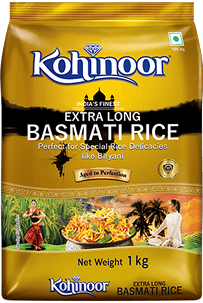
Product Used
Kohinoor Classic Gold Basmati Rice

Rajma chawal has a particular kind of comfort that few other meals in North Indian households match. Perhaps it's the Sunday afternoon association: rajma simmered for hours until they soften, and the gravy thickens into something deeply savoury, spooned generously over plain, steaming rice. Whatever the reason, this rajma chawal recipe has earned its place as a weekly ritual in countless homes.

What follows is a proper, unhurried look at how this dish is traditionally made, right from soaking the rajma the night before to building a gravy with enough body to coat every spoonful of rice. It is not a quick weeknight recipe, and that is precisely the point. Some things are worth the wait, and rajma chawal is one of them.

The Ingredient List

A good rajma chawal recipe does not need many ingredients. It needs the right ones, treated with a little patience.

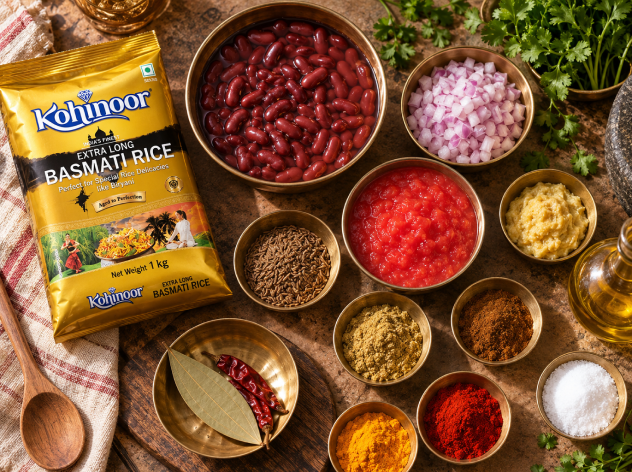
  • 1.5 cups rajma/kidney beans, soaked overnight
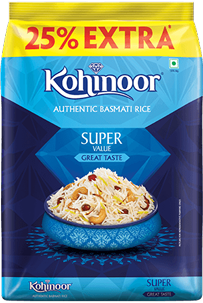
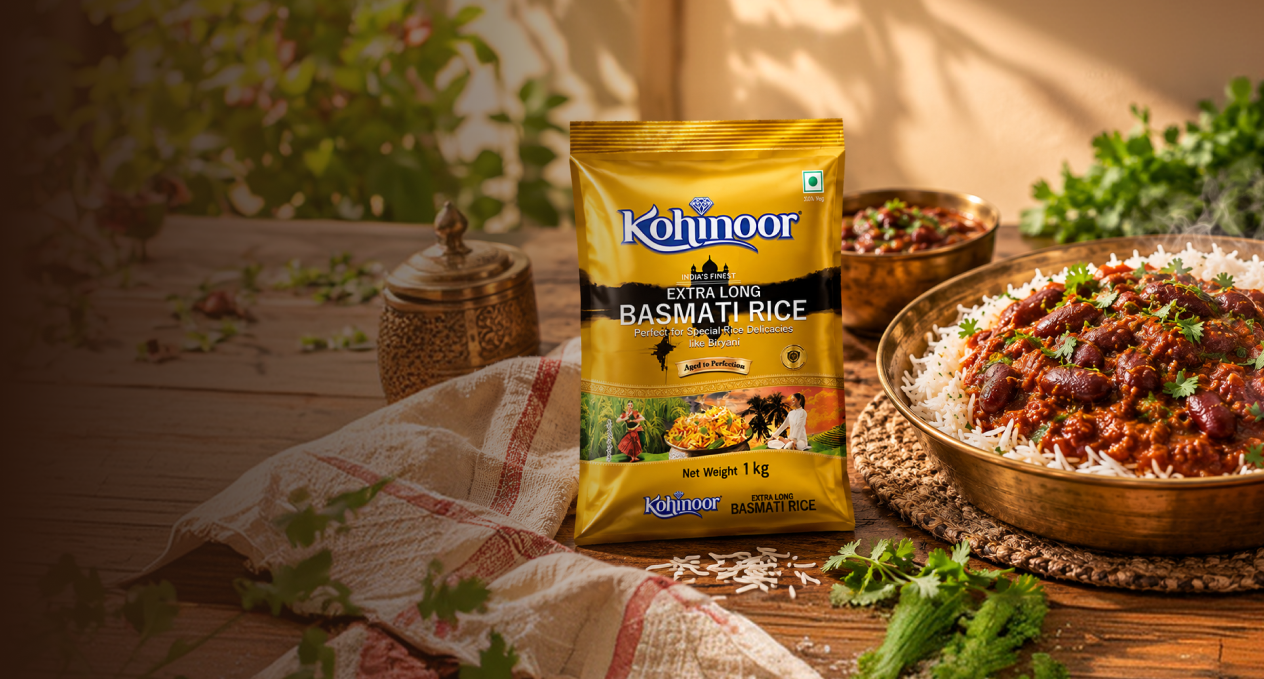
  • 1.5 cups rice (Kohinoor Classic Gold Basmati Rice)
  • 2 onions (finely chopped)
  • 3 tomatoes (pureed)
  • 1 tbsp ginger-garlic paste
  • 2 tbsp oil or ghee
  • 1 tsp cumin seeds
  • 1 tsp coriander powder, 1 tsp cumin powder
  • ½ tsp turmeric, 1 tsp red chilli powder
  • 1 tsp garam masala
  • 1 bay leaf, 1 dried red chilli (optional)
  • Salt as required, fresh coriander to garnish
Rajma Chawal Recipe: A Classic North Indian Comfort Meal

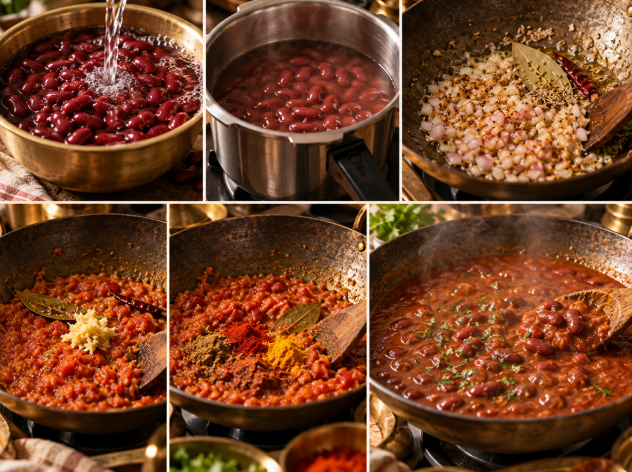
Preparing the Rajma and the Base

This is the part of a rajma chawal recipe where shortcuts tend to backfire later, so it pays to slow down here.

  • Soak overnight, without exception: Even a good pressure cooker cannot compensate for rajma that haven't been given enough time in water.
  • Change the water before cooking: Rinsing the soaked rajma and using fresh water helps them cook cleaner and reduces bloating afterwards.
  • Cook the onions until properly browned: A pale, half-cooked onion base leaves the gravy tasting raw and unfinished.
  • Let the tomatoes cook down fully: The gravy should look thick and slightly glossy, not thin and separated.
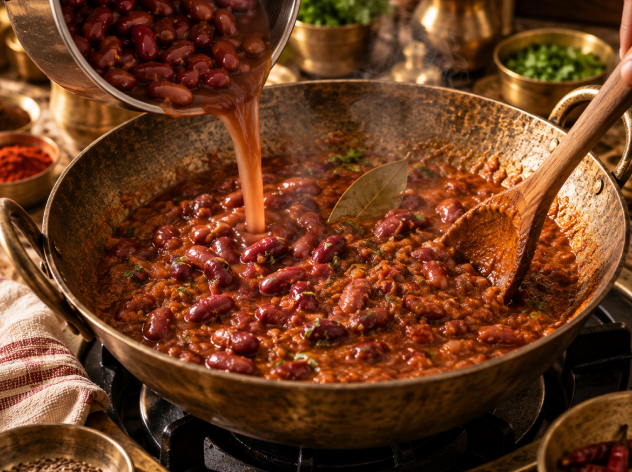
  • Mash a few rajma into the gravy: This thickens it naturally without needing any flour or cream.

Common Mistakes to Avoid

Skipping the overnight soak    Undercooked onion base    A thin, watery gravy    Rajma still firm at the centre

Patience with the soak and the simmer is the real secret to a rajma chawal recipe that tastes properly homemade.

Bringing the Dish Together

With the rajma cooked and the masala ready, this rajma chawal recipe comes down to a slow simmer and not much else.

  1. Build the masala: Cumin, bay leaf, onions cooked to a deep gold, then ginger-garlic paste.
  2. Add the tomatoes: Cook until the mixture thickens and the oil separates at the sides.
  3. Spice it: Add turmeric, chilli powder, coriander powder, and salt, stirring well.
  4. In go the Rajma: Along with a little of their cooking liquid, then let it come to a simmer.
  5. Simmer, uncovered, until thick: Twenty to thirty minutes, mashing a few rajma along the way.

A Tip Worth Remembering

Rajma almost always tastes better the next day, once it has had time to sit. If you can, make it a little ahead and simply reheat before serving.

Rajma Chawal Recipe: A Classic North Indian Comfort Meal

Rounding Off the Rice

A rajma chawal recipe is only half about the rajma. The rice deserves just as much attention.

  • Wash the rice well: Removing the surface starch keeps the grains from turning gluey once cooked.
  • Cook it plain and simple: Rajma is the star here, so the rice needs nothing more than a pinch of salt.
  • Fluff it gently: A light hand with a fork keeps the grains long and separate.
  • Keep it warm until serving: Rajma chawal is best enjoyed with the rice still steaming.

How to Serve It, and Common Slip-Ups

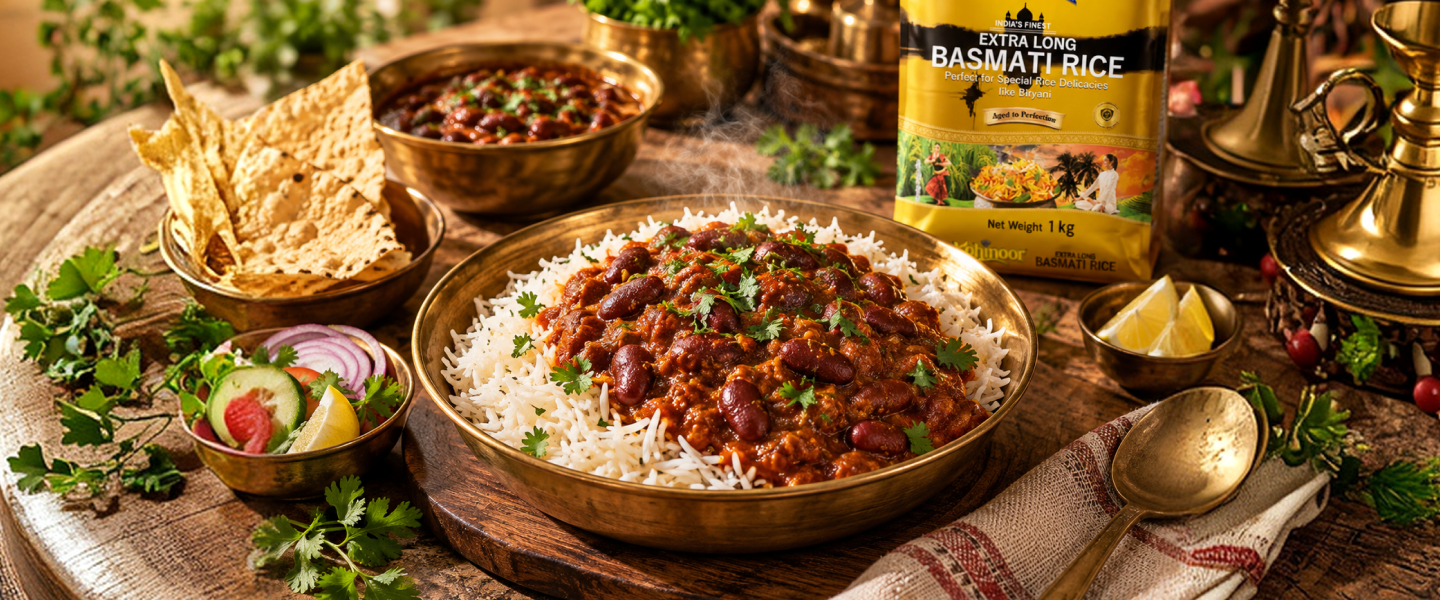
Ladle the rajma generously over a mound of hot rice, with a wedge of lemon, some sliced onions, and perhaps a side of papad or a simple salad. This meal doesn't need much beyond that.

Most disappointing versions of this dish come down to under-soaked rajma, an underdone onion-tomato base, or a gravy that never thickened properly. None of these is difficult to fix; they just take a bit more time than you might initially plan for.

Rajma Chawal Recipe: A Classic North Indian Comfort Meal

Explore Our Product

Discover the Finest Range of Kohinoor Basmati Rice Products

Frequently Asked Questions

Do I really need to soak the rajma overnight?

▲

Yes, this step matters more than people assume. Without a proper soak, the rajma stay firm even after long cooking, so soak them for at least eight hours.

Which rice pairs best with a rajma chawal recipe?

▼

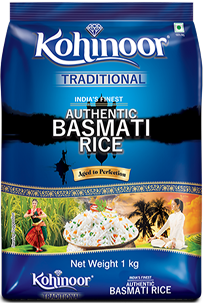
A simple, well-cooked basmati like Kohinoor Traditional Basmati Rice suits it well, since the rajma is rich and flavourful enough on its own and doesn't need anything fancy from the rice.

Why is my rajma gravy thin?

▼

It probably needs a longer, uncovered simmer. Let it reduce properly and mash a few rajma into the gravy to thicken it naturally without any added flour.

Can I make rajma chawal without a pressure cooker?

▼

Yes, though it will take considerably longer on the stovetop, sometimes over an hour, since the rajma need to soften before they go into the masala fully.

How long does cooked rajma keep in the fridge?

▼

About three to four days, and many people feel it tastes even better after a day or two, once the flavours have had time to deepen.

CLOSE

ENQUIRE FORM