Wedding Biryani vs Home Biryani Taste Difference

You have that giant degh of biryani at a wedding, steam rising, everyone crowding the counter. It smells incredible, and then when you taste it, you feel something is missing. The next week, your mother makes biryani at home in a modest pot, and suddenly the world makes sense again. The answer lies in how the two are cooked and in the best basmati rice for biryani, which carries the whole dish. Have you ever wondered about why that happens? Let's see why home biryani tastes better, what the secret behind restaurant-style biryani is, and why Kohinoor Classic Gold is the best rice for perfect biryani.
The wedding-biryani vs home-biryani gap starts with scale. A caterer cooks for hundreds in a single vessel, and flavour spreads thin, so spices get lost in it. Cooking methods differ, too—home biryani is layered with care and dum-cooked slowly, while wedding biryani is rushed to feed a crowd on time. Ingredient quality shifts, since bulk buying rarely matches what you pick yourself. Then there is the emotional side, food made by your own family tastes of home.
The real reason why home biryani tastes better is freshness. Cooked in smaller batches, nothing sits around losing aroma. You control the spice, adding heat here and easing salt there, tuned to your family. Aroma retention is far stronger in a home pot. You serve it immediately, straight from dum to plate, when it is at its absolute best. And there is emotional satisfaction in eating biryani someone cooked just for you. Wedding biryani feeds a hundred. Home biryani feeds you.
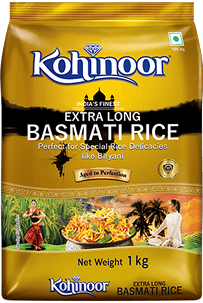
No biryani rises above its rice. The best basmati rice for biryani has long, slender grains that stay separate and fluffy. Grain separation is everything; sticky rice ruins even a well-spiced biryani. Aged basmati is prized for this—ageing dries the grain so it absorbs less water, elongates on cooking and stays firm. That is the secret of perfect biryani rice that chefs rarely reveal. You want long basmati rice for biryani that holds its shape through the dum. This is where Kohinoor Classic Gold stands out: a premium, aged, extra-long-grain basmati that delivers restaurant-worthy grains.
Cooking in bulk is genuinely hard. In a giant degh, heat spreads unevenly, so some rice overcooks while some stays firm. Biryani grains clumped when everything is packed tightly and stirred to save time. Timing pressure makes it worse. The slow, patient dum that builds flavour gets cut short. Spices measured for a small pot rarely scale up cleanly, leaving the biryani bland or unevenly seasoned. Ingredient scaling brings the same problem across meat, ghee and aromatics. The result looks grand but tastes flat.
You can learn how to make restaurant-style biryani in your own kitchen.
Wedding biryani will always impress the eyes, but home biryani wins the heart. The difference is fresh cooking, careful spicing and, above all, the right rice. Long, aged, aromatic grains turn a good biryani into an unforgettable one. Bring home Kohinoor Classic Gold, the Kohinoor basmati rice for biryani that home cooks trust, and cook your own pot this weekend. One taste of that fluffy Kohinoor biryani rice, and the wedding degh will never tempt you the same way again.
Wedding biryani is cooked in huge quantities, so heat spreads unevenly, spices thin out, and the slow dum process is rushed. Home biryani is fresher, cooked in small batches with tuned spices, which is why it usually tastes better.
The best basmati rice for biryani is long-grain, aged basmati that stays separate and fluffy. Kohinoor Classic Gold, with its extra-long grains, holds its shape through the dum and gives the classic restaurant-style biryani look and texture.
To make biryani restaurant-style, layer partly cooked rice with marinated meat, use aged long-grain basmati, balance your spices, and seal the pot for slow dum cooking. Precision and patience recreate that rich, aromatic result at home.
Home biryani is better because it is cooked fresh in small batches, with spice adjusted to your taste and served immediately. The aroma is stronger, and the emotional value of a home-cooked meal makes it feel more special.
The secret is aged, extra-long-grain basmati cooked to about 70% before layering, then finished on dum. This keeps grains separate, fluffy and aromatic. Quality rice like Kohinoor Classic Gold makes it easier to achieve perfect biryani rice.
The perfect way to stay up-to-date with all the latest news and offers. By signing up, you'll receive regular updates about new product launches, exclusive promotions, and delicious recipe ideas to try at home. Our newsletter is a great way to get inspired in the kitchen. So why not sign up today and join the Kohinoor community?
We look forward to sharing our passion for rice and biryani with you!
