What to Cook During Navratri? 5 No Onion No Garlic Recipes
It's the third day of Navratri. Maa is fasting, your husband has kept a vrat till Ashtami, and the children still want a proper lunch at one o'clock. For nine days, the same question about Navratri food comes up every morning: what do I cook for everyone else? In many homes, the whole kitchen goes satvik during these nine days. Onion and garlic stay out, even for those who aren't fasting.
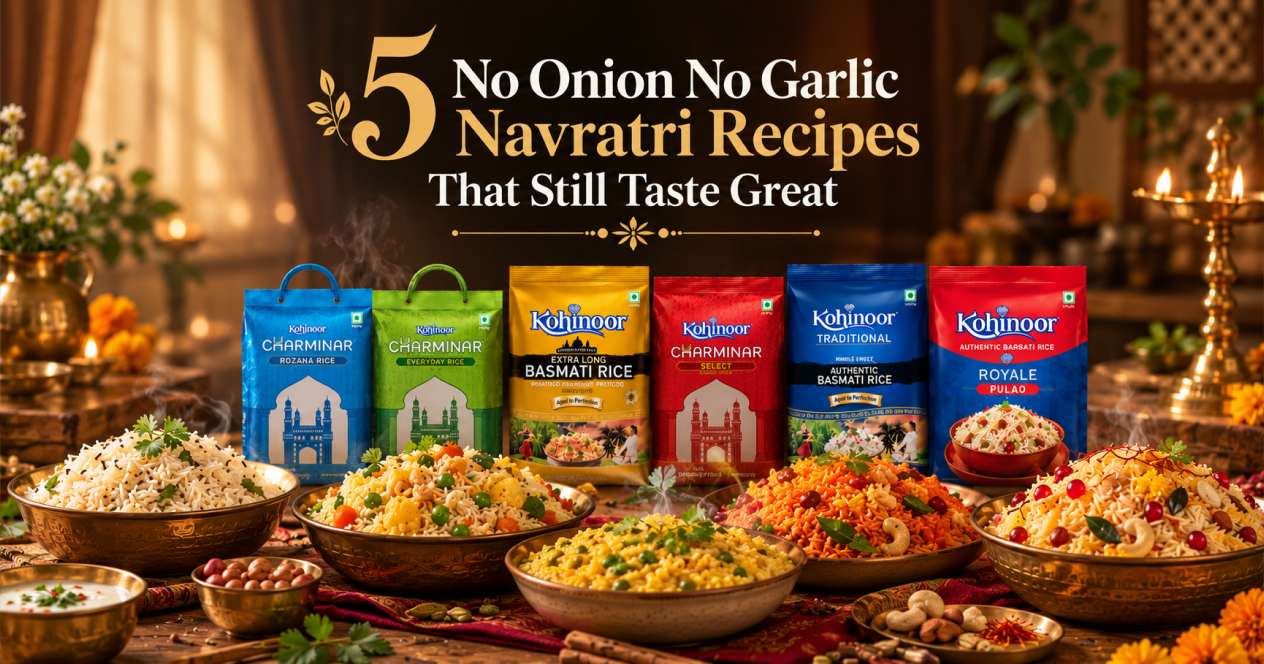
These recipes are for them, the family members eating regular meals, since rice is usually kept off the vrat plate. Most rice recipes online lean on onion and garlic. These no onion no garlic recipes show you how to cook them without. Rice is the base of almost every meal below, so each dish comes matched with the Kohinoor basmati that suits it best.
Satvik Veg Pulao, Jeera Rice, Moong Dal Khichdi, Tomato Rice and Kashmiri Pulao
Three everyday dishes, one quick lunch and one festive pulao for Ashtami or Dussehra. Here's the snapshot before we cook them one by one.
| Dish | When to cook it | Texture it needs | Rice that suits it |
|---|---|---|---|
| Satvik veg pulao | Everyday lunch or dinner | Separate, ghee-glossed | Kohinoor Royale Pulao |
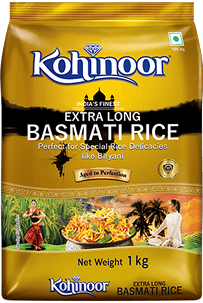
| Satvik jeera rice | With dal or sabzi | Long, fluffy grains | Kohinoor Classic Gold |
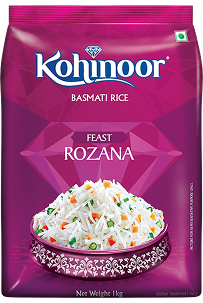
| Moong dal khichdi | Late, light dinners | Soft and spoonable | Kohinoor Feast Rozana |
| Satvik tomato rice | Quick lunch, lunchbox | Firm, unbroken | Kohinoor Super Value |
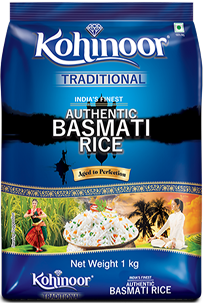
| Kashmiri pulao | Ashtami, Dussehra | Fine, fragrant, separate | Kohinoor Traditional Authentic |
Many families see onion and garlic as heating, stimulating foods, so they set them aside while the kitchen cooks satvik food. The flavour simply comes from elsewhere:
This is the no onion version of our classic veg pulao, and the dish most non-fasting homes cook repeatedly over these nine days. One pot, a handful of vegetables, and dinner sorted. Carrot, beans, peas, cauliflower and potato all work. Chop them to the same size so they cook evenly. Soak the rice for 30 minutes. Heat ghee, add jeera, bay leaf, cloves and cardamom, then the vegetables, ginger and green chilli. Add the drained rice with 1¾ cups of water per cup, salt, and cover. Keep the lid shut until the water is absorbed; lifting it lets out the steam that cooks the grain. Rest the satvik veg pulao for five minutes, then fluff gently with a fork. Kohinoor Royale Pulao is a low-starch pulao rice, so the grains stay separate even after soaking up all that ghee and spice.
Jeera rice never needed onion or garlic in the first place. Ghee, cumin, a few whole spices and salt. That's why it sits so easily beside dal, kadhi or a no onion sabzi. Soak the rice for 20 to 30 minutes and use 1½ to 1¾ cups of water per cup. Bloom the jeera in hot ghee until it crackles and smells nutty before the rice goes in. Add it later and the aroma never quite opens up. For the full method, see our jeera rice recipe. This is where premium basmati rice earns its place. Kohinoor Classic Gold has extra-long, aged grains that stay long and separate, which is exactly how jeera rice should look.
After a late night of garba or a long puja, nobody wants a heavy meal. Khichdi is the answer most mothers reach for. Go 2:1 rice to dal for a looser, grainier one, or add more dal for something thicker and creamier. Temper ghee with jeera, grated ginger and green chilli, plus a pinch of hing only if your family uses it. In a pressure cooker, use 4 cups of water per cup of rice and dal combined and cook for three whistles. In an open pot, add a cup more and stir now and then. Our khichdi recipe has the step-by-step. Serve it with curd and roasted papad. For the best rice for daily use, Kohinoor Feast Rozana is made for dal chawal and khichdi; it cooks quickly and holds its shape.
Tangy, quick and lunchbox-friendly, tomato rice gets a lot of use over nine days. Splutter mustard seeds and curry leaves in ghee or oil, add grated ginger and green chilli, then chopped tomatoes with turmeric and salt. Cook until the tomatoes collapse into a jammy masala. That softened base stands in for onion.
Fold in cooked, cooled rice so the grains don't break. Keep the chilli mild for children and finish with roasted peanuts or cashews for crunch. When a large family cooks rice twice a day, Kohinoor Super Value gives the same long grain basmati with more rice in every pack, so your satvik tomato rice never runs short.
When guests arrive for Ashtami or Dussehra, this is the dish that makes the table feel like a celebration. Kashmiri pulao needs no onion, no garlic and no ground masala. Just ghee, whole spices, saffron and dry fruits. Soak kesar in warm milk for 15 minutes and drizzle it over the rice before the final steam. Fry cashews, almonds and raisins separately in ghee and add them at the end so they stay crisp.
Keep the sweetness light. Pomegranate belongs on top as a garnish, not in the pot. Serve with a no onion paneer gravy, dal or plain curd. Kohinoor Traditional Authentic is aged, with extra-long, fine grains that stay separate under all that saffron and ghee.
Some family members prefer lighter meals through the nine days. Veg pulao, khichdi and tomato rice all work well with brown basmati rice. Soak it for 45 minutes to an hour and use 2½ cups of water per cup of rice. Expect a firmer, nuttier grain than white basmati, with a gentle chew. Kohinoor Brown Basmati Rice keeps the bran layer of the grain, which is where that texture comes from.
These Navratri recipes prove that a satvik kitchen can still smell wonderful. Pick a recipe, light the stove and explore the Kohinoor rice range for the pack that suits your kitchen.
In homes that keep a satvik kitchen, you can eat regular grains, dals, vegetables and dairy, cooked without onion and garlic. Veg pulao, jeera rice, moong dal khichdi, tomato rice and Kashmiri pulao are all easy, filling choices.
Temper whole spices in ghee, add ginger, green chilli and chopped vegetables, then the soaked basmati and water. Cover and cook until the water is absorbed. The ghee, spices and rice aroma give plenty of flavour without onion.
Yes. Cook chopped tomatoes down with mustard seeds, curry leaves, ginger and green chilli until soft and jammy. This base replaces onion completely. Fold in cooled cooked rice and finish with roasted peanuts for crunch.
Aged, extra-long basmati works best because the grains stay separate and fluffy. Kohinoor Classic Gold is a good match. Soak it for 20 to 30 minutes and avoid stirring during cooking to keep every grain whole.
It depends on your family's custom. Some homes add a pinch of hing for its savoury depth, while others skip it entirely during Navratri. Both approaches are common, so follow what your household practises.
Most people who keep a Navratri vrat avoid regular grains, including basmati rice, and use samak rice instead. Basmati is usually cooked for family members who aren't fasting.
The perfect way to stay up-to-date with all the latest news and offers. By signing up, you'll receive regular updates about new product launches, exclusive promotions, and delicious recipe ideas to try at home. Our newsletter is a great way to get inspired in the kitchen. So why not sign up today and join the Kohinoor community?
We look forward to sharing our passion for rice and biryani with you!
